Kitchen & Cookware
Best lead-free dinnerware
The risk in a plate is the decoration, not the plate. Which is why the safest answer in this category is also the plainest one.
Last reviewed October 20, 2026 — Selena H.
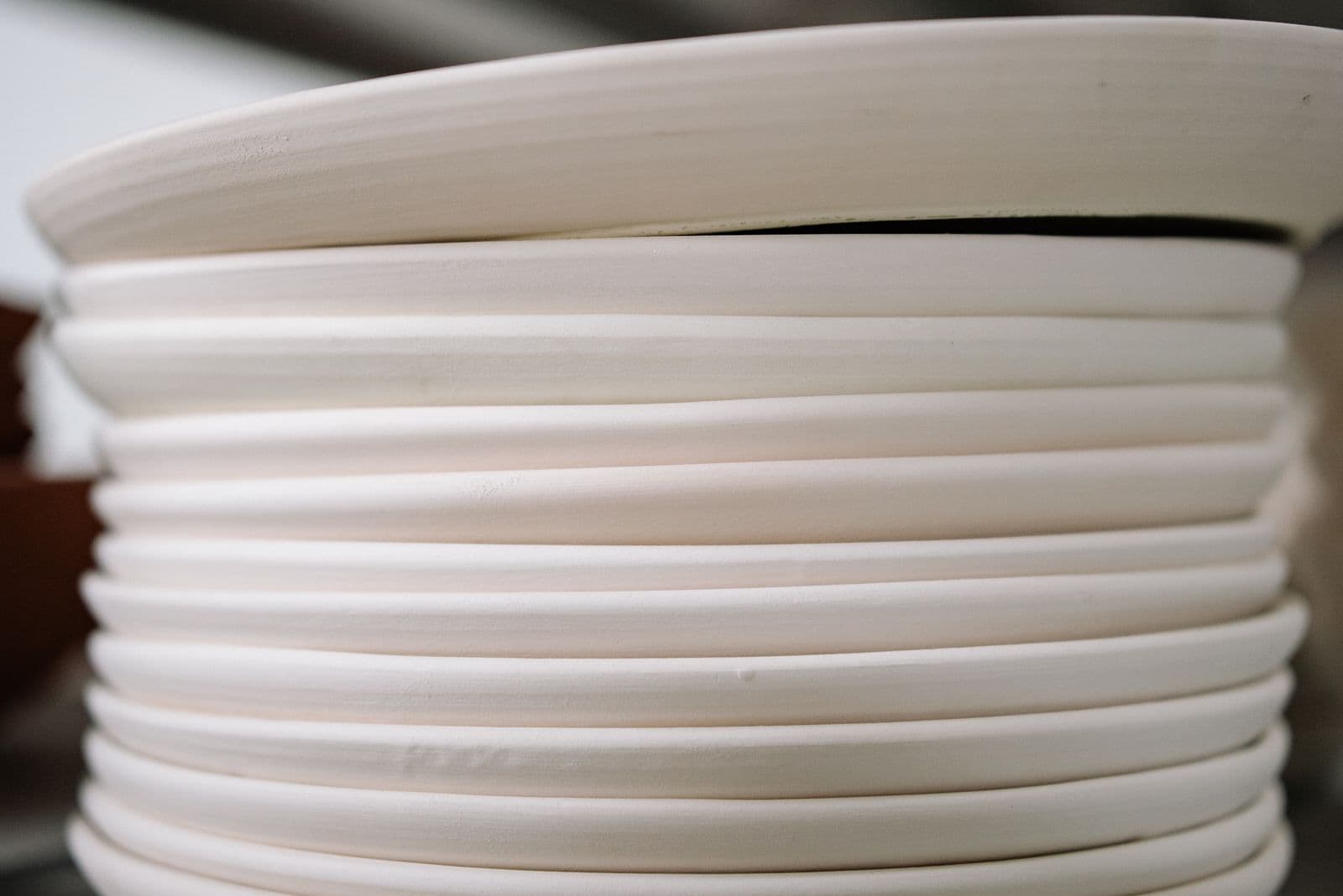
Lead in dinnerware is a glaze and decoration problem. The clay body of a plate is not where the risk lives; the fired glaze on top of it, and especially the colored decoration applied over that glaze, is. That single fact rearranges the whole category, because it means an undecorated plain plate from an ordinary brand can be a better answer than a hand-painted one from an artisanal one.
It also explains why the recommendations below lean toward glass. A plain glass plate has no glaze at all — there is no applied surface layer to contain a pigment, and nothing to craze or wear through. That is a structurally different safety story from a ceramic plate, however good the ceramic plate is, and it is the reason the two glass picks here sit at the top.
What this page will not do is tell you a brand is "lead-free" because its marketing says so. Every claim below is attributed to the document it came from, and where a company declines to make an unqualified claim — as Corelle and Fiesta both do, for different and defensible reasons — that is reported rather than smoothed over.
Quick picks
| # | Product | Best for | Material | Price |
|---|---|---|---|---|
| 1 | Libbey 12-Piece Clear Glass Dinnerware SetClear glass plates and bowls with no glaze, no decoration and a published lead-free statement. | The shortest possible ingredient list | Clear pressed glass | |
| 2 | Corelle Winter Frost White Dinnerware SetLaminated tempered glass, undecorated, from a brand that publishes its testing regime. | Everyday use, in the plain white pattern | Vitrelle tempered glass: two clear glass skin layers thermally bonded to a white core | |
| 3 | Emile Henry Dinner PlatesBurgundy clay plates from the only brand here that states outright that there is no lead or cadmium in its products. | Ceramic, with the plainest published position | High-fired Burgundy clay ceramic with a fired glaze | |
| 4 | Fiesta DinnerwareAmerican-made glazed ceramic with a lead-free designation since 1986 — and an honest footnote about cadmium. | Color, made in the USA | Vitrified ceramic body with a colored fired glaze |
Tap a row to jump to that write-up. Prices are not shown on this site because they change — the button sends you to the live Amazon listing.
Where lead and cadmium actually are in a plate
Three layers, in increasing order of risk. The clay or glass body is the least interesting: it is fired at high temperature and is not the source of leachable metals in any modern piece. The glaze above it is where cadmium pigments live, because cadmium compounds are what produce bright reds, oranges and some yellows in ceramics — which is why color is the variable worth paying attention to. And the decoration applied on top of the glaze, especially an overglaze decal or a hand-painted rim, is the highest-risk layer of the three, because it sits on the surface where a fork and a dishwasher cycle can reach it.
The FDA's long-standing compliance guidance on lead in ceramicware is built around exactly this: it tests what leaches out of the food-contact surface under an acid soak, rather than what is present in the body of the piece. That is the right question. A plate is not dangerous because an element exists somewhere inside it; it is dangerous if that element comes out into food.
Which gives you a buying rule that costs nothing. Undecorated beats decorated. Pale beats bright. The inside of a bowl matters more than the outside of a plate, because that is the surface that holds acidic food. Every pick on this page follows that rule, and it is the same reasoning behind the color guidance in our non-toxic dutch ovens roundup.
What each brand actually publishes
Read that table as a ranking of disclosure quality rather than of safety. A brand that declines to say "100% lead free" because trace lead exists in raw clay is being more careful with language than one that prints the phrase without qualification, and we would rather buy from the careful one. What none of these is, is a third-party certification — cookware and tableware have very few applicable marks, which is the same gap described on our certifications hub.
| Brand | What the company publishes | How we label it |
|---|---|---|
| Libbey | "Made of premium, lead-free clear glass" on the product page | Manufacturer claim. No glaze exists to test |
| Corelle | Routine third-party testing for lead and cadmium; compliance with applicable federal and state regulations | Manufacturer claim about testing, not a composition claim |
| Emile Henry | "There is no lead or cadmium in our products"; glazes meet California Prop 65 | Manufacturer claim, and the flattest one in the category |
| Fiesta | Lead free designation since 1986; FAQ discloses encapsulated cadmium in glazes | Manufacturer claim with a disclosed cadmium caveat |
Vintage dishes are the actual risk
Almost everything genuinely alarming about lead in dinnerware concerns pieces made before modern glaze regulation: imported hand-painted ware, bright mid-century enamelware, decorated china from flea markets, and anything with a worn or chalky-looking decoration. Those are not edge cases. They are the category where testing routinely finds leachable lead, and no visual inspection will tell you which piece is which.
Corelle is worth a specific note here because so many households have inherited a set. The company's own FAQ says it tested vintage patterns dating back to 1978 and that the tested vintage products comply with current FDA lead-safety regulations, adding that owners should feel free to use them for everyday dinnerware. That is the manufacturer's position on its own older patterns, stated plainly, and it is more reassurance than most brands offer about their past.
The general rule still holds for everything else in the cupboard: if a piece is old, decorated and of unknown origin, make it a display piece. The upside of using it is a nicer table; the downside is unquantifiable, and the replacement cost is a stack of plain plates.
Glass or ceramic
The one thing not worth optimizing is weight. People buy Corelle for how light it is and Emile Henry despite how heavy it is, and both of those are preferences rather than safety facts. Decide on the material story first, then pick within it.
- Choose glass if you want the fewest variables. No glaze, no pigment, no decoration layer, and a surface that cannot craze.
- Choose glass if the set is for children, where the plates get scraped hard and replaced often.
- Choose ceramic if you want oven capability — most glass dinnerware is not meant for baking, while Emile Henry's clay is.
- Choose ceramic if you want color, and accept what the glaze disclosure says about getting it.
- Either way, choose undecorated, or at minimum choose a piece whose decoration is under the glaze rather than printed on top of it.
What we ruled out
Melamine. It is a thermoset plastic, it is genuinely popular for children's dinnerware, and it is the one material in the category with a clear temperature instruction attached: it is not microwave-safe, and heating it is where migration concerns come from. A page about avoiding metals in a glaze that then recommends a plastic plate would be incoherent — if you want unbreakable, our take on the plastics question is in which plastics are safe for food.
We also ruled out unbranded imported ceramic sold without a maker name or a country of origin, because there is nothing to check; artisanal hand-glazed ware, which is beautiful and whose glaze composition is usually undocumented; and anything with an overglaze metallic rim, gold or platinum, which is both a lead question and a reason the plate cannot go in the microwave anyway.
Which one to buy
For most households the answer is the plain white Corelle set: light, cheap, undecorated, and backed by a published testing program. If you want to remove even the question of a glaze, buy the Libbey glass set instead and accept the weight. If you want ceramic and you are buying on the strength of what the brand will state in writing, the Emile Henry plates are the only ones here with a flat no-lead-and-no-cadmium sentence attached. And if you want color on the table from an American factory, Fiesta tells you more about its glazes than anyone else selling color — including the part you might not want to hear.
Whichever you pick, the plainest version of it is the better buy. That is the whole finding of this page, and it is the rare case where the safest option is also the cheapest one.
The picks in full
1. Best for The shortest possible ingredient list
Libbey 12-Piece Clear Glass Dinnerware Set
Clear glass plates and bowls with no glaze, no decoration and a published lead-free statement.
- Made of
- Clear pressed glass, no glaze and no applied decoration
- Certified to
- Manufacturer claimManufacturer claim; no third-party certification published.
- Material
- Clear glass, published as lead-free
- Set
- 4 x 10.5-inch plates, 4 x 7.5-inch plates, 4 x 6-inch bowls
- Glaze
- None. There is no coating to leach from
This is the structurally simplest answer in the category. Libbey's own product page describes the set as made of premium, lead-free clear glass, and because the pieces are plain pressed glass there is no glaze layer and no applied decoration — the two places lead and cadmium actually live in tableware. The 12-piece set covers four people with 10.5-inch dinner plates, 7.5-inch salad plates and 6-inch bowls, which is a complete service rather than a starter.
What you give up
Glass chips at the rim and it is heavier than it looks stacked twelve deep in a cabinet. The clear look is not to everyone's taste, and a clear plate shows every crumb and water spot. Country of origin varies by piece.
Who it's for
Anyone who wants to remove glaze from the equation completely, and households that like a set they can see through.
Who should skip it
Rough kitchens with tile floors, and anyone who wants warm, opaque tableware.
2. Best for Everyday use, in the plain white pattern
Corelle Winter Frost White Dinnerware Set
Laminated tempered glass, undecorated, from a brand that publishes its testing regime.
- Made of
- Vitrelle tempered glass: two clear glass skin layers thermally bonded to a white core, undecorated
- Certified to
- Manufacturer claimManufacturer claim; no third-party certification published.
- Material
- Laminated tempered glass, not ceramic
- Decoration
- None on the plain white pattern
- Brand statement
- Routine third-party lead and cadmium testing
Corelle is not ceramic, which surprises people: Vitrelle is a tempered glass of three thermally bonded layers, two clear skins around a white or beige core. Choose the plain Winter Frost White pattern and there is no decoration on it at all, which removes the single biggest variable in this category. Corelle's FAQ states it routinely tests its products for lead and cadmium content at third-party laboratories and that the testing confirms compliance with applicable federal and state safety regulations. The plates are also very thin, light and stackable, which is why they end up in so many cabinets.
What you give up
The honest reading of that FAQ is important: it is a statement about testing and regulatory compliance, not an unqualified "contains no lead" claim, and we are not going to upgrade it into one. Decorated and vintage patterns are a different proposition from the plain white. Corelle also shatters dramatically rather than cracking when it does finally break.
Who it's for
Daily family use, small cabinets, and anyone who wants light plates that survive children.
Who should skip it
Buyers who specifically want an unqualified composition guarantee, and anyone shopping the decorated patterns for the pattern.
3. Best for Ceramic, with the plainest published position
Emile Henry Dinner Plates
Burgundy clay plates from the only brand here that states outright that there is no lead or cadmium in its products.
- Made of
- High-fired Burgundy clay ceramic with a fired glaze
- Certified to
- Manufacturer claimManufacturer claim; no third-party certification published.
- Brand statement
- No lead or cadmium; glazes meet California Prop 65
- Made in
- Marcigny, France, per the manufacturer
- Note
- Colors and sizes rotate in and out of stock
If you want ceramic rather than glass, this is the brand whose own words go furthest. Emile Henry's About page states there is no lead or cadmium in its products, that all of its glazes meet California Prop 65, and that its products are made in Marcigny, France. That is the flat composition statement the rest of this category tends to avoid, and it is published by the manufacturer under its own name rather than relayed by a retailer.
What you give up
Price per plate is the highest here by some distance, and the dinnerware lines rotate colors and sizes in and out of stock more than the bakeware does, so the exact set you want may not be available in the moment you look. Ceramic is also heavier than Corelle and chips at the rim like any glazed plate.
Who it's for
People who want warm, opaque, oven-capable ceramic and are buying on the strength of the published statement.
Who should skip it
Tight budgets, and anyone who needs a specific color available on demand.
4. Best for Color, made in the USA
Fiesta Dinnerware
American-made glazed ceramic with a lead-free designation since 1986 — and an honest footnote about cadmium.
- Made of
- Vitrified ceramic body with a colored fired glaze
- Certified to
- Manufacturer claimManufacturer claim; no third-party certification published.
- Made in
- Newell, West Virginia, per the manufacturer
- Lead
- Brand states a lead free designation since 1986
- Cadmium
- Company FAQ describes encapsulated cadmium in the glazes
Fiesta is the rare dinnerware line still made in the United States, in Newell, West Virginia, and the company states a lead free designation that has applied since 1986. For buyers who want actual color on the table rather than white or clear, it is the most documented option: the brand publishes a dedicated statement on lead and cadmium rather than leaving the question to a retailer's bullet point.
What you give up
The footnote matters. The company's own FAQ explains that it avoids the phrase "100% lead free" because trace lead exists in ceramic raw materials, and that its glazes contain small amounts of cadmium which are encapsulated to prevent leaching. That is a more honest disclosure than most of this category manages, and it is still a cadmium-containing glaze — which is exactly the trade you are making when you buy a bright red or orange plate instead of a white one.
Who it's for
Color on the table, American manufacturing, and open-stock replacement over decades.
Who should skip it
Anyone whose requirement is zero cadmium in the glaze, in which case buy the glass.
How we chose, and what we did not do
Every product on this page was checked against its published material composition and its third-party certifications, with each claim labeled as certified, manufacturer-stated or independently tested by a named party. We do not run a lab and we do not claim to have used these products — the full method is here.
Questions people actually ask
Is all modern dinnerware lead-free?
Modern dinnerware sold by a named brand into the US market has to meet FDA leachable-lead limits, so it is regulated rather than unregulated. That is not the same as containing no lead at all — Fiesta's own FAQ explains that it avoids claiming "100% lead free" because trace lead exists in ceramic raw materials. The pieces that fail testing in practice are overwhelmingly vintage, imported-unbranded, or heavily decorated.
Is Corelle lead-free?
Corelle's published position is that it routinely tests its products for lead and cadmium at third-party laboratories and that this confirms compliance with applicable federal and state safety regulations. That is a statement about testing and compliance rather than an unqualified composition guarantee, and we report it as such. The plain white Winter Frost pattern carries no decoration, which removes the layer where lead in tableware usually lives.
Does glass dinnerware contain lead?
Plain clear glass tableware is not glazed and not decorated, so the two layers where lead normally appears in dishes are simply absent, and Libbey publishes its set as lead-free glass. The exception worth knowing is leaded crystal, which is a different material made with lead oxide deliberately, and decorated or painted glassware, where the decoration is the thing to question.
Is Fiesta dinnerware safe?
The company states a lead free designation dating to 1986 and manufactures in Newell, West Virginia. Its own FAQ also discloses that the glazes contain small amounts of cadmium which are encapsulated to prevent leaching. If your requirement is no cadmium in the glaze at all, that disclosure tells you to buy glass instead — and the fact that the company publishes it at all is a point in its favor.
Should I throw out my old decorated dishes?
Not necessarily, but stop eating off the ones you cannot source. Old, brightly decorated, hand-painted or unbranded imported pieces are where leachable lead actually turns up, and nothing visible distinguishes a safe one from an unsafe one. Keep them as display pieces. Corelle is a specific exception: the company says it tested vintage patterns back to 1978 and found them compliant with current FDA lead-safety regulations.
Does the dishwasher make dishes less safe?
It can, on decorated pieces. Repeated hot alkaline cycles are hard on overglaze decoration specifically, and a decoration that has gone dull, chalky or faded is a decoration that is wearing away into something. Undecorated glass and plain white pieces have nothing on the surface to degrade, which is one more argument for buying plain.
Sources
- Corelle — Frequently Asked Questions (manufacturer) — States routine third-party lead and cadmium testing to applicable federal and state regulations; describes Vitrelle as three thermally bonded glass layers
- Libbey — 12-Piece Clear Glass Dinnerware Set (manufacturer) — Published as 'premium, lead-free clear glass'
- Fiesta Tableware Company — dinnerware FAQ (manufacturer) — Lead free designation since 1986; made in Newell, West Virginia
- Homer Laughlin China / Fiesta — FAQ on lead and cadmium in the glazes — Company explanation that it avoids the phrase '100% lead free' because of trace lead in ceramic raw materials, and that glaze cadmium is encapsulated
- Emile Henry — About (manufacturer) — Brand statement: no lead or cadmium in its products; glazes meet California Prop 65
- US FDA — compliance policy guidance on lead in ceramicware (ASTM C738 leach test)
- California OEHHA — Proposition 65
Read next
Kitchen & Cookware
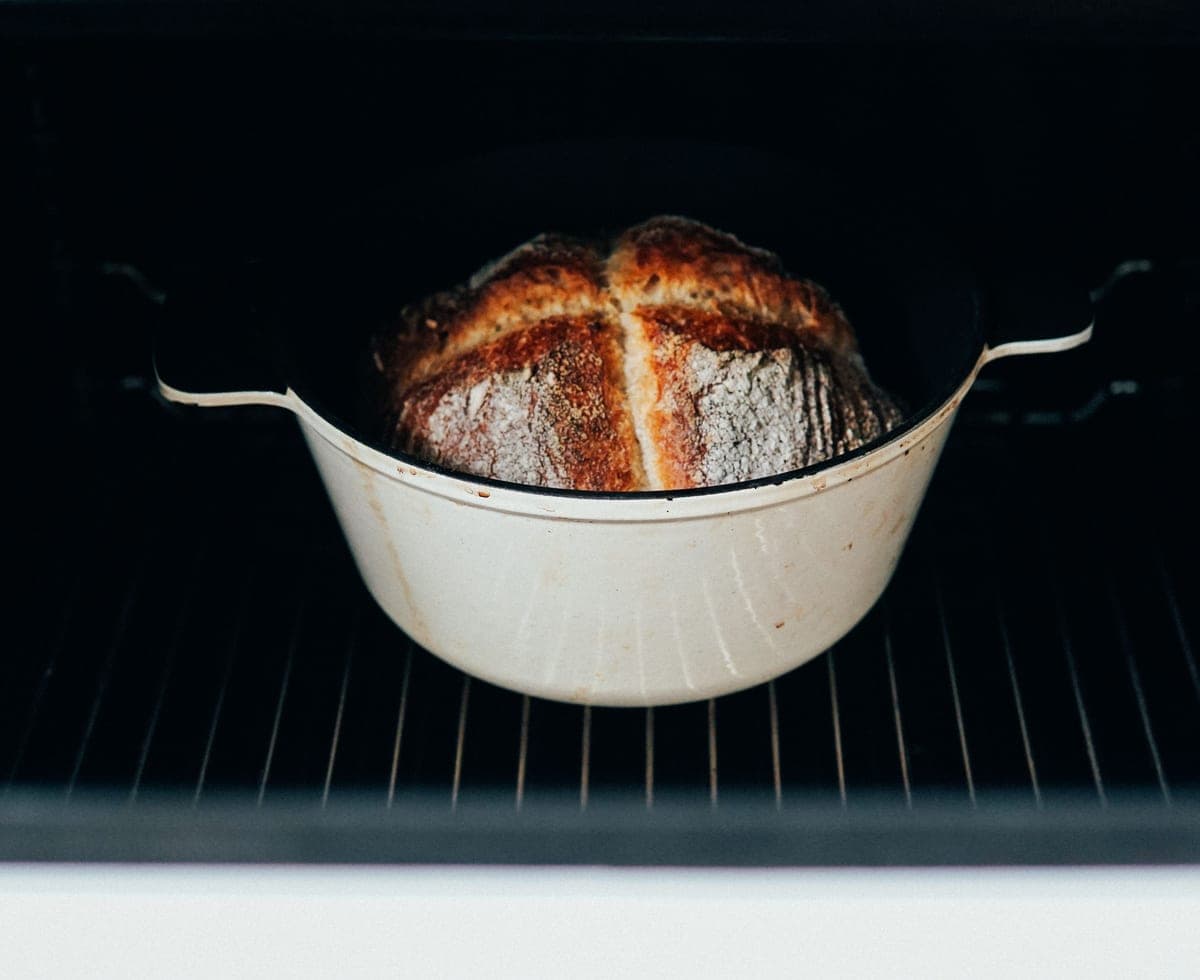
Best non-toxic dutch ovens
Enameled, clay and bare-iron dutch ovens ranked by what each maker actually publishes about its glaze.
Kitchen & Cookware
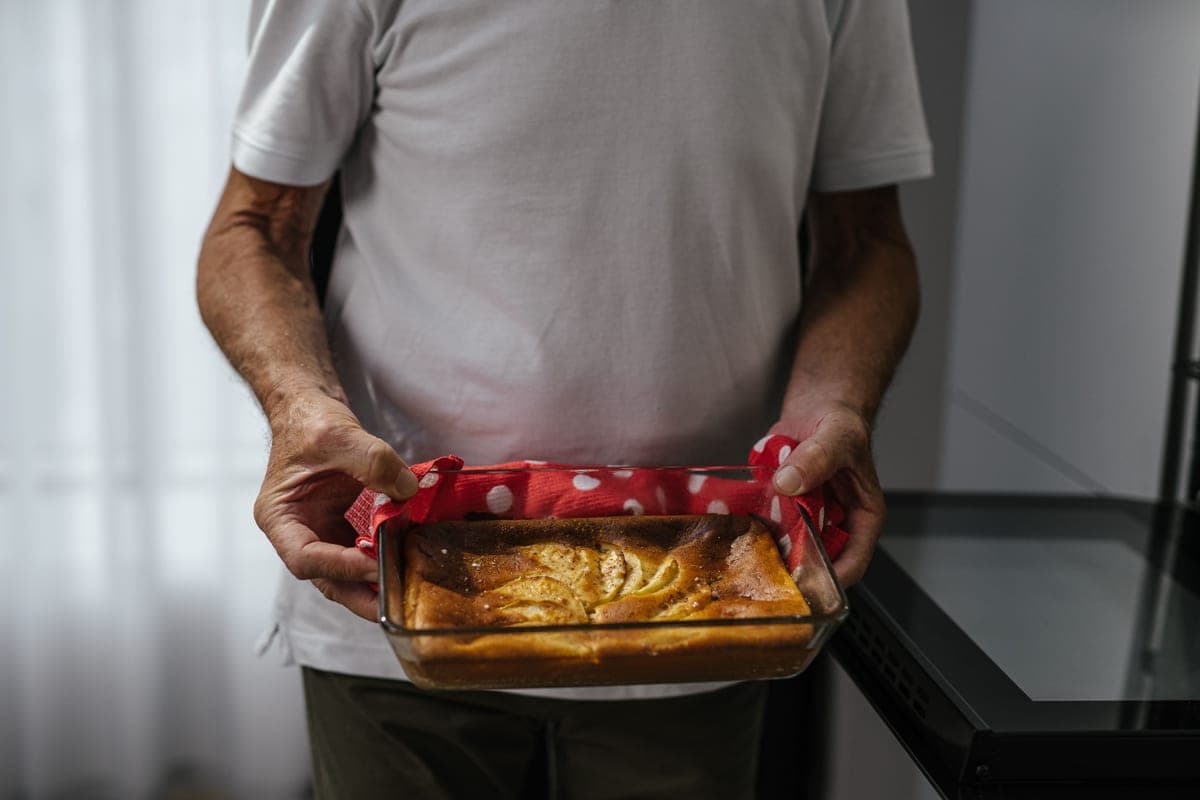
Glass and stoneware: the inert options
Glass and glazed stoneware: inertness, thermal shock, and the lead question on handmade and vintage pieces.
Kitchen & Cookware
What a Proposition 65 warning actually means
Prop 65 decoded: safe-harbour levels, the one-in-100,000 cancer threshold, and how to read a warning label.
Kitchen & Cookware
Best non-toxic food storage
Glass, silicone and stainless storage compared, with the cheapest route out of plastic.
Written by Selena H., owner of Glass & Cotton.