Kitchen & Cookware
The six kitchen swaps worth making first
One swap at a time, in the order that the evidence actually supports. Most of this list is cheap.
Last reviewed October 13, 2026 — Selena H.

The lower-tox internet tends to present the kitchen as a list of things to throw away, which is both expensive and poorly prioritized. Some of these swaps address a measured exposure; others address a feeling. This page is ordered by the first category.
If you do the first three items you have done most of the available good for under a hundred dollars, and you can stop there with a clear conscience.
Quick picks
| # | Product | Best for | Material | Price |
|---|---|---|---|---|
| 1 | Lodge Cast Iron Skillet (10.25 in)Thirty dollars, works on everything, outlives the kitchen it is in. | First pan | Bare cast iron | |
| 2 |  Hardwood Kitchen Utensil SetFifteen dollars and it works with whatever pans you own. | First utensil swap | Single-piece hardwood | |
| 3 | 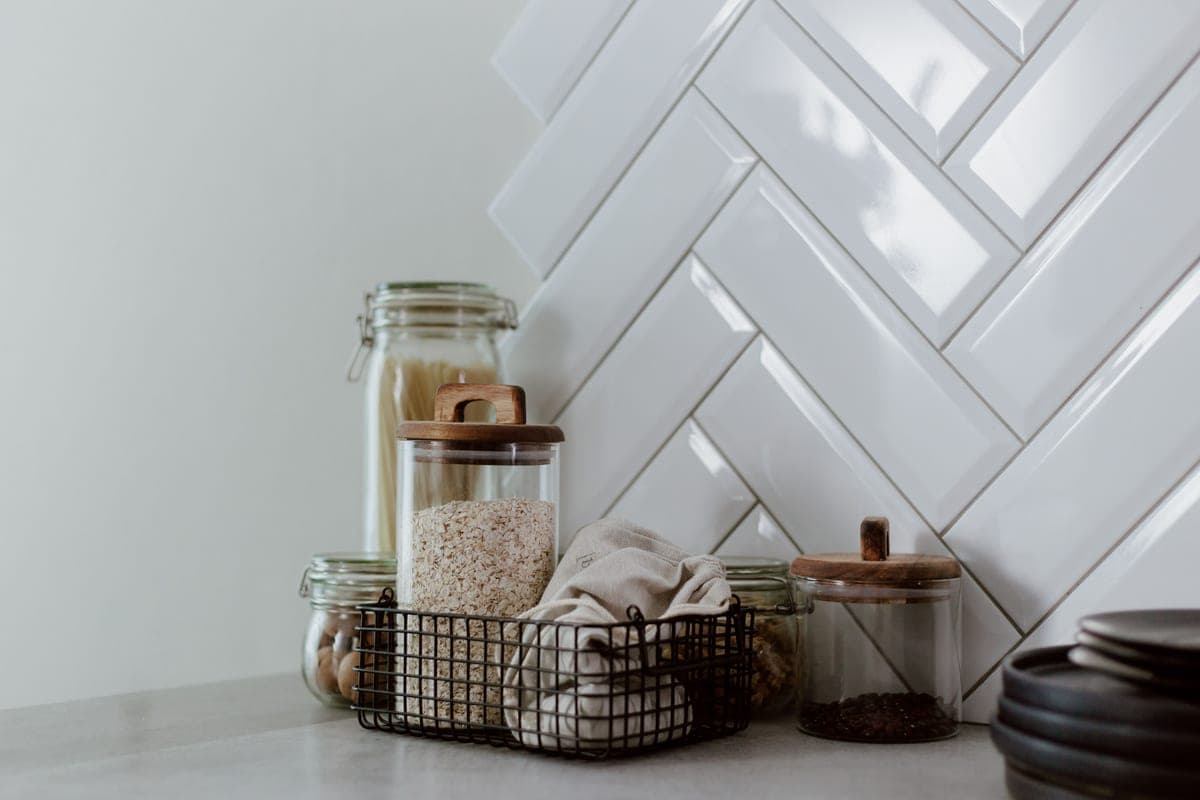 Ball Wide Mouth Mason JarsGlass storage for about a dollar a jar. | First storage swap | Soda-lime glass with a two-piece steel lid (plastisol-lined) | |
| 4 | 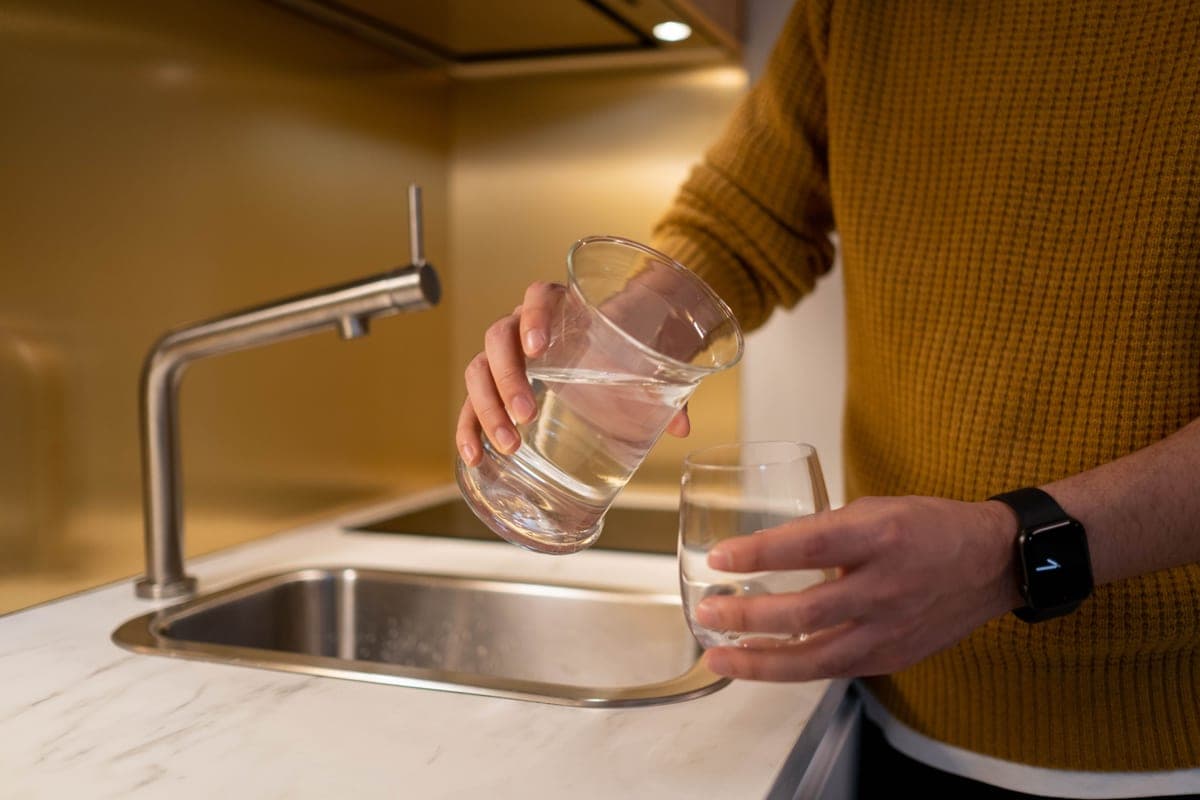 Brita Pitcher with Elite FilterNSF/ANSI 53 certified for lead reduction — a specific, checkable claim. | The measured swap | Plastic pitcher body |
Tap a row to jump to that write-up. Prices are not shown on this site because they change — the button sends you to the live Amazon listing.
Swap 1 — any pan with a degrading surface
This is the only item on the list that is unambiguous. A coated pan that is scratched, flaking or has gone chalky is actively shedding its coating into food, and no amount of careful cooking changes that. Condition beats chemistry: a two-year-old intact ceramic pan is in better shape than a ten-year-old scratched PTFE one, whatever the material argument says.
Cost: one pan. Priority: now. Frying pan picks covers what to replace it with.
Swap 2 — plastic that meets heat
Heat is what moves material out of a polymer, so the plastic worth removing first is the plastic that gets hot: the container you microwave, the tub you decant hot soup into, the plastic kettle. Cold storage in good-condition plastic is a much smaller question and dry goods in a plastic bin are barely a question at all.
Two parts of this are free. Let food cool in the pan before you store it, and microwave in glass or ceramic instead. Cost beyond that: a few glass containers, or a case of mason jars at about a dollar each. Food storage picks.
Swap 3 — utensils that touch hot pans
A nylon spatula with a melted edge is the most visible material transfer in a home kitchen, and the cheapest to fix. Wood, stainless or platinum-cured silicone, depending on whether your pans are coated.
Cost: about fifteen dollars. Utensil picks.
Swap 4 — the water you cook with
Lead and PFAS arrive through the tap, not through the pan, and this is the one category with contaminant-specific third-party certification available. Read your utility's annual water quality report first, then buy a filter certified for what you actually have — NSF/ANSI 53 for lead, or 53 and 58 with PFOA and PFOS claims for PFAS.
Cost: a pitcher and filters. Priority: higher than it looks, because this addresses a measured contaminant rather than a hypothetical one. Filter picks.
Swap 5 — the cutting board, if it is scored plastic
Every knife stroke on a plastic board removes material, which is why an old board is visibly scored. A hard maple or teak board does not shed that way and can be sanded and re-oiled rather than replaced.
Cost: one board, and it lasts decades. Board picks.
Swap 6 — the daily driver pan, when you are ready
If swap one did not already replace it, the pan you reach for every morning does more cooking than everything else combined, which makes it the best use of a cookware budget. One good pan beats a ten-piece set, and buying it separately costs less than the set.
Cost: one pan, from thirty dollars for cast iron. The main roundup.
What we would not bother with
- Replacing intact stainless, cast iron or enamel. There is nothing wrong with it and nothing to gain.
- Replacing dry-goods storage. Flour in a plastic bin is not an exposure worth money.
- Specialty gadgets marketed as non-toxic. A garlic press is not an exposure route.
- Replacing a whole kitchen in one weekend. Expensive, and it means replacing things that were fine.
The starter kit
If you want the whole of swaps one, three and six in a single purchase, this is it — a pan, a utensil set and the glass storage to go with them.
The picks in full
1. Best for First pan
Lodge Cast Iron Skillet (10.25 in)
Thirty dollars, works on everything, outlives the kitchen it is in.
- Made of
- Bare cast iron, factory-seasoned with vegetable oil
- Certified to
- Manufacturer claimManufacturer claim; no third-party certification published.
- Coating
- None. Polymerized oil seasoning only
- Oven safe
- Manufacturer states oven, grill and campfire safe
- Induction
- Yes
The best first purchase in a lower-tox kitchen: no coating, no compatibility question, no replacement cycle, and cheap enough that it does not compete with the other swaps on this page.
What you give up
Weight, maintenance, and no long acidic cooking.
Who it's for
Almost everyone starting out.
Who should skip it
Iron-overload conditions and limited grip strength.
2. Best for First utensil swap
Hardwood Kitchen Utensil Set
Fifteen dollars and it works with whatever pans you own.
- Made of
- Single-piece hardwood, finished with food-grade oil
- Certified to
- Manufacturer claimManufacturer claim; no third-party certification published.
- Material
- Hardwood
- Coating
- Oil finish only
- Dishwasher
- No
No compatibility question, no melting point you can reach, and it replaces the single most visible material transfer in most kitchens.
What you give up
Hand wash and occasional oiling.
Who it's for
Any kitchen still using worn plastic tools.
Who should skip it
Dishwasher-only households, where platinum-cured silicone is the answer.
3. Best for First storage swap
Ball Wide Mouth Mason Jars
Glass storage for about a dollar a jar.
- Made of
- Soda-lime glass with a two-piece steel lid (plastisol-lined)
- Certified to
- Manufacturer claimManufacturer claim; no third-party certification published.
- Food contact
- Glass, plus the lid liner at the rim
- Cost per liter
- Lowest of any glass option
- Note
- Metal lids rust if left wet
The cheapest possible way to get hot food out of plastic. Glass bodies, steel lids, dishwasher and freezer capable, available everywhere.
What you give up
Round jars waste fridge space and the metal lids rust if stored wet.
Who it's for
Anyone replacing heated plastic storage on a budget.
Who should skip it
People who need rectangular stacking containers.
4. Best for The measured swap
Brita Pitcher with Elite Filter
NSF/ANSI 53 certified for lead reduction — a specific, checkable claim.
- Made of
- Plastic pitcher body, activated carbon block filter
- Certified to
- Certified: NSF/ANSI 53 (lead reduction)Third-party certified to NSF/ANSI 53 (lead reduction).
- Certified claims
- NSF/ANSI 42, 53 and 401 claims per the data sheet
- Filter life
- Manufacturer states 6 months
- Body
- Plastic
This is the swap that addresses a measured contaminant with a third-party certification behind it, which is rare on this list. Lead comes from plumbing rather than the source, so a utility report can look clean while a tap does not.
What you give up
The pitcher body is plastic, and certification covers only the contaminants on the data sheet.
Who it's for
Any household in older housing stock.
Who should skip it
Anyone wanting glass, where a glass-bodied filter pitcher is the alternative.
How we chose, and what we did not do
Every product on this page was checked against its published material composition and its third-party certifications, with each claim labeled as certified, manufacturer-stated or independently tested by a named party. We do not run a lab and we do not claim to have used these products — the full method is here.
Questions people actually ask
What is the first thing to replace in a non-toxic kitchen?
Any pan whose coating is scratched, flaking or chalky. That is an active transfer, and it is the only item on the list that is unambiguous regardless of material preference.
Do I need to replace all my plastic food containers?
No. Prioritize by heat: containers you microwave or decant hot food into are the ones worth replacing. Cold leftovers in good-condition plastic and dry goods in plastic tubs are much smaller questions.
How much does a lower-tox kitchen cost?
The first three swaps — one pan, a utensil set and glass storage — come to well under a hundred dollars, and two parts of the plastic swap are free habit changes. The expensive items on most lists are the ones with the weakest evidence behind them.
Is filtered water more important than cookware?
Often, yes. Lead and PFAS arrive through the tap, and water filtration is the one kitchen category with contaminant-specific third-party certification available — so you can verify what you are buying in a way cookware does not allow.
Sources
- Brita — lead reduction and NSF/ANSI 53 certification for the Elite filter
- NSF — Forever Chemicals and the Advancement of Filtration Standards — Why NSF P473 was retired into NSF/ANSI 53 and 58 in June 2021
- Science News — Sticky situation: nonstick surfaces can turn toxic at high heat
- Li et al. (2020), Microplastic release from the degradation of polypropylene feeding bottles during infant formula preparation, Nature Food — Trinity College Dublin record
Read next
Kitchen & Cookware
The safest non-toxic frying pans, by what you cook in them
Five frying pans compared on cooking surface, heat limit and lifespan — the highest-value single swap in the kitchen.
Kitchen & Cookware
Best non-toxic food storage
Glass, silicone and stainless storage compared, with the cheapest route out of plastic.
Kitchen & Cookware
Best water filter pitchers, judged on their certified claims
Filter pitchers compared on their actual NSF/ANSI certified claims, with the retired P473 standard explained.

Kitchen & Cookware
How to tell if a pan is non-toxic: a five-step check
The five-step check we run on every product, written so you can run it on anything we have not covered.
Written by Selena H., owner of Glass & Cotton.