Kitchen & Cookware
Non-toxic cookware made in the USA
Domestic manufacture is a supply-chain fact, not a safety certification. It happens to correlate with better disclosure, and here is why.
Last reviewed October 13, 2026 — Selena H.

Let us deal with the premise first. "Made in the USA" is not a safety standard. It does not mean a product was tested, certified or held to a different material specification than an imported one, and plenty of excellent cookware is made in France, Italy, Korea and China.
What it does correlate with is traceability. A manufacturer operating its own domestic foundry or bonding line generally knows and will state exactly what goes into the product, and that willingness to be specific is the thing this site actually values. The picks below are all US-made and all publish their composition — and we have been clear about which lines are domestic and which are not, because several brands do both.
Quick picks
| # | Product | Best for | Material | Price |
|---|---|---|---|---|
| 1 | Lodge Cast Iron Skillet (10.25 in)Cast and seasoned in Tennessee, from a foundry that has been there since 1896. | US-made at any budget | Bare cast iron | |
| 2 |  All-Clad D3 StainlessThe D3 line is bonded in Pennsylvania, with published construction and steel grade. | US-made bonded stainless | 3-ply bonded stainless: 18/10 stainless interior | |
| 3 | 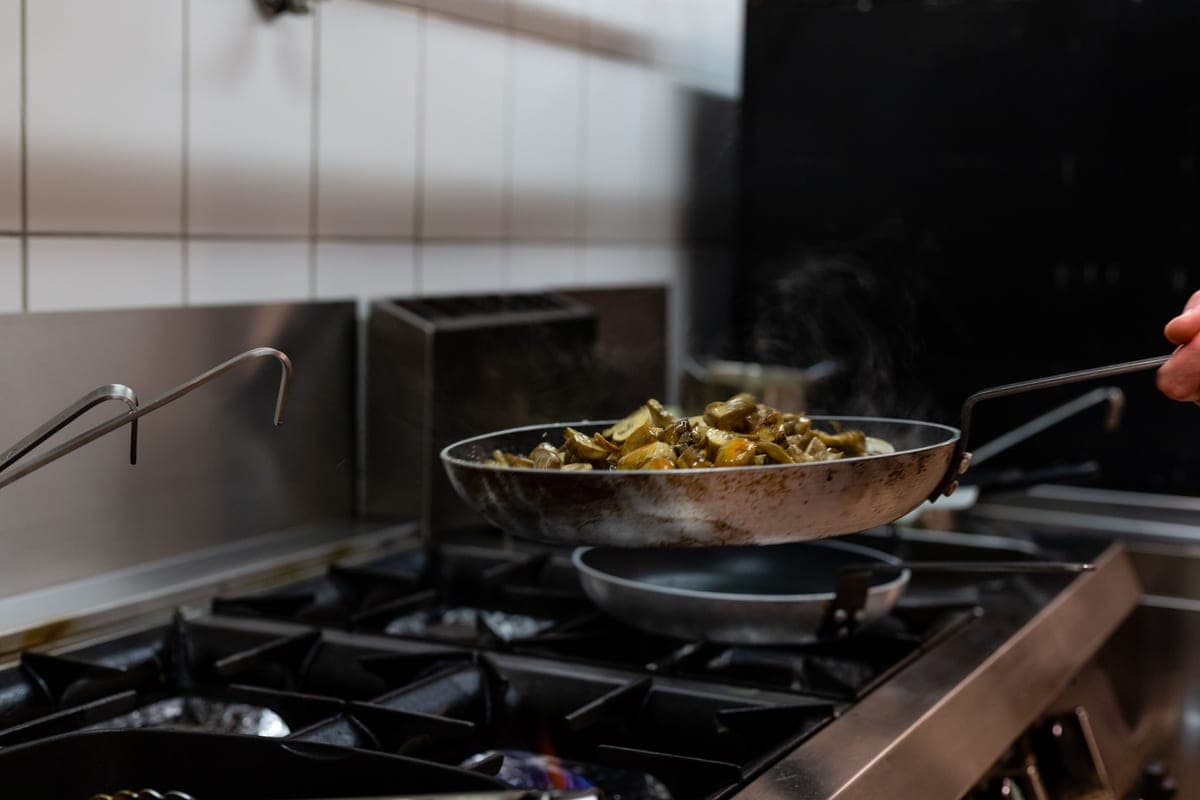 Lodge Carbon Steel SkilletSame domestic foundry story, less weight, faster response. | Lighter US-made iron | Pressed carbon steel | |
| 4 | 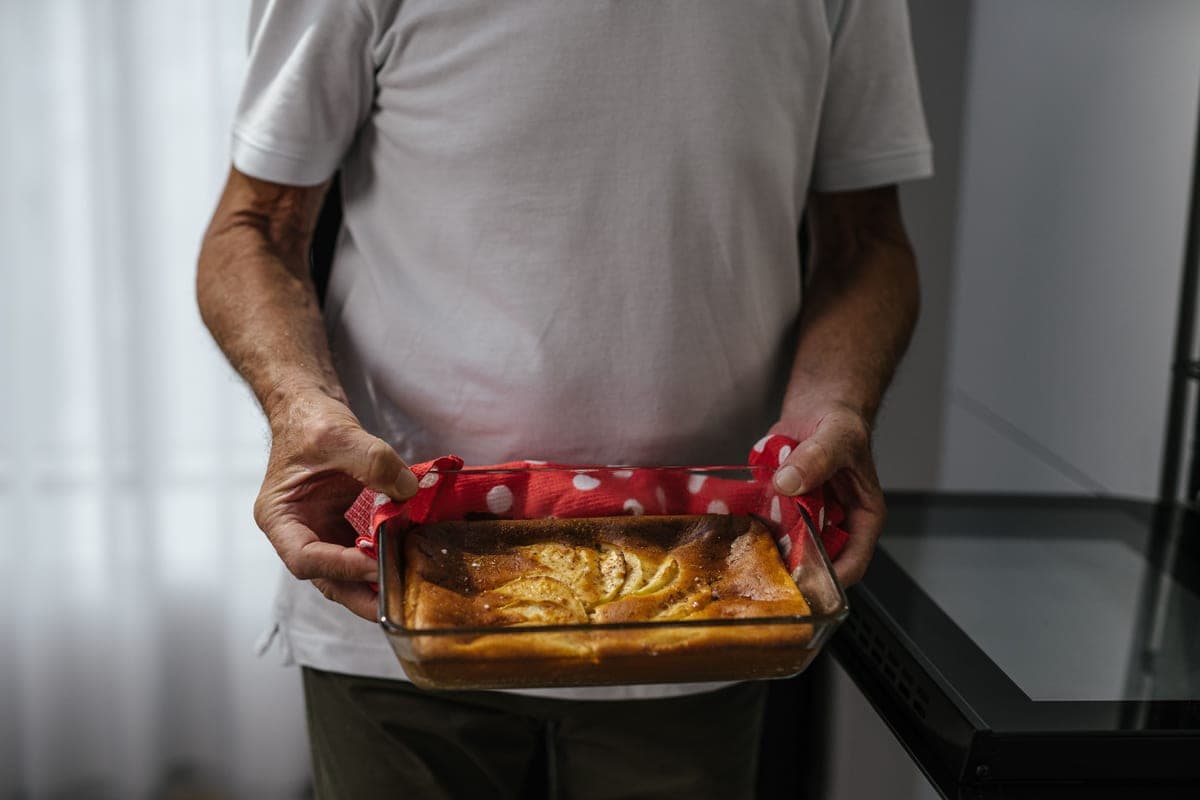 Nordic Ware Naturals Baking SheetUncoated aluminum sheet pans made in Minnesota. No coating to fail. | US-made bakeware | Uncoated pure aluminum with a reinforced steel rim | |
| 5 | Made In Stainless Clad SetStates country of manufacture per line, with US-made stainless among them. | Mixed-origin transparency | 5-ply stainless clad: 304 stainless cooking surface |
Tap a row to jump to that write-up. Prices are not shown on this site because they change — the button sends you to the live Amazon listing.
What "made in USA" does and does not tell you
If you have to choose between a domestic product with no published composition and an imported one that specifies its cooking surface and holds a named certification, take the second. Origin is a preference; composition is information.
| Claim | What it establishes | What it does not |
|---|---|---|
| Made in USA | Where the product was manufactured or substantially transformed | Anything about materials, coatings or testing |
| Assembled in USA | Final assembly happened domestically | Where the components or coatings came from |
| US-sourced materials | Raw material origin | What was done to it afterwards |
| Published composition | What the cooking surface is | Nothing about origin — and this is the claim that matters more |
Why domestic manufacture correlates with better disclosure
A company that owns the foundry or the bonding line knows the specification because it wrote it. A company buying finished pans from a contract manufacturer may genuinely not know which coating supplier was used this quarter, and that uncertainty shows up on the product page as vagueness.
That is the real mechanism behind the correlation, and it is why we rank on disclosure rather than on origin. The US-made products on this page are here because their composition is stated, and their domestic manufacture is part of why it is stated.
What we ruled out
Brands claiming domestic manufacture for a line while the specific product we would have recommended is imported — a common and legal split that makes a blanket brand-level claim unusable. And US-made coated cookware where the coating supplier and chemistry are not published, since for a coated pan the coating is the product.
The picks in full
1. Best for US-made at any budget
Lodge Cast Iron Skillet (10.25 in)
Cast and seasoned in Tennessee, from a foundry that has been there since 1896.
- Made of
- Bare cast iron, factory-seasoned with vegetable oil
- Certified to
- Manufacturer claimManufacturer claim; no third-party certification published.
- Coating
- None. Polymerized oil seasoning only
- Oven safe
- Manufacturer states oven, grill and campfire safe
- Induction
- Yes
Lodge casts its iron domestically and seasons it with vegetable oil, which makes the material story both simple and entirely verifiable: iron plus polymerized oil, with no coating chemistry to disclose. It is also the least expensive genuinely US-made cookware you can buy, which makes the domestic-manufacture question a non-trade-off here.
What you give up
Factory seasoning is thinner than the photos suggest; expect to build it up. Heavy, and not for long acidic cooking.
Who it's for
Anyone who wants US manufacture and a product whose composition needs no interpretation.
Who should skip it
Low-weight requirements, dishwasher households, iron-overload conditions.
2. Best for US-made bonded stainless
All-Clad D3 Stainless
The D3 line is bonded in Pennsylvania, with published construction and steel grade.
- Made of
- 3-ply bonded stainless: 18/10 stainless interior, aluminum core, magnetic exterior
- Certified to
- Manufacturer claimManufacturer claim; no third-party certification published.
- Construction
- 3-ply bonded
- Cooking surface
- 18/10 stainless steel
- Made in
- Manufacturer states USA for the D3 line
All-Clad states US manufacture for its D3 stainless line and publishes the tri-ply construction and 18/10 cooking surface. Uncoated stainless made domestically by a company that has done it for decades is about as auditable as cookware gets — there is no coating, the metallurgy is stated, and the aging behavior is widely documented by thirty years of owners.
What you give up
Expensive, and not every All-Clad line is US-made. Check the specific line before assuming.
Who it's for
A buy-once stainless set with domestic manufacture.
Who should skip it
Budget buyers, and anyone who wants non-stick.
3. Best for Lighter US-made iron
Lodge Carbon Steel Skillet
Same domestic foundry story, less weight, faster response.
- Made of
- Pressed carbon steel, factory-seasoned with vegetable oil
- Certified to
- Manufacturer claimManufacturer claim; no third-party certification published.
- Coating
- None. Seasoning only
- Weight
- Lighter than cast iron at the same diameter
- Oven safe
- Yes
Carbon steel gives you the same no-synthetic-coating position as cast iron with about a third less weight and much quicker heat response. Lodge makes it domestically alongside the cast line, and the specification is just as short: steel plus seasoning.
What you give up
Holds less heat than cast iron, so a cold protein drops the pan temperature more. Seasoning maintenance is identical.
Who it's for
Cooks who wanted cast iron but found it too heavy.
Who should skip it
Acidic simmering, and anyone who wants zero upkeep.
4. Best for US-made bakeware
Nordic Ware Naturals Baking Sheet
Uncoated aluminum sheet pans made in Minnesota. No coating to fail.
- Made of
- Uncoated pure aluminum with a reinforced steel rim
- Certified to
- Manufacturer claimManufacturer claim; no third-party certification published.
- Coating
- None
- Material
- Uncoated aluminum
- Note
- Will react with very acidic foods over long bakes
Nordic Ware manufactures in Minneapolis and its Naturals line is plain uncoated aluminum — the material commercial bakeries use, for the reason they use it, which is that it conducts heat evenly and has no non-stick layer to scratch off into the food. For bakeware specifically, uncoated is the obvious answer and almost nobody sells it with this much clarity.
What you give up
Uncoated aluminum reacts with very acidic foods over long bakes and will discolor permanently. It is also genuinely not non-stick: use parchment.
Who it's for
Anyone baking regularly who wants to stop buying coated sheet pans.
Who should skip it
People who want to bake without parchment or a liner.
5. Best for Mixed-origin transparency
Made In Stainless Clad Set
States country of manufacture per line, with US-made stainless among them.
- Made of
- 5-ply stainless clad: 304 stainless cooking surface, aluminum core layers
- Certified to
- Manufacturer claimManufacturer claim; no third-party certification published.
- Construction
- 5-ply clad
- Cooking surface
- 304 stainless steel
- Coating
- None
Made In is on this list for a slightly different reason: it tells you where each line is made rather than implying a single answer. Some lines are US-made and others are not, and the brand says which — which is more useful than a blanket claim, and it is the same disclosure habit that makes its construction specs usable.
What you give up
You have to read the specific product page; the brand name alone does not settle origin. Premium pricing.
Who it's for
Buyers who care about origin and want it stated per item.
Who should skip it
Anyone wanting a single-answer brand.
How we chose, and what we did not do
Every product on this page was checked against its published material composition and its third-party certifications, with each claim labeled as certified, manufacturer-stated or independently tested by a named party. We do not run a lab and we do not claim to have used these products — the full method is here.
Questions people actually ask
Is American-made cookware safer?
Not inherently. Domestic manufacture is a supply-chain fact and carries no material or testing requirement of its own. It does correlate with better disclosure, because a company running its own production usually knows and states the specification.
Which US-made cookware is the best value?
Cast iron, by a wide margin. A domestically cast and seasoned skillet costs less than most imported coated pans and has no surface that wears out.
Are there US-made non-stick pans?
Some coated cookware is made domestically, but for a coated pan the coating chemistry and its supplier are what matter, and those are rarely published regardless of where assembly happens. We did not include any for that reason.
Does All-Clad make everything in the USA?
No. All-Clad states US manufacture for lines including D3 and makes others elsewhere, so the specific line matters. The brand publishes which, which is the useful part.
Sources
Read next
Kitchen & Cookware
Best non-toxic cookware of 2026 — certification-checked picks
The flagship roundup: six cookware options sorted by material, each with its published composition and certification position.
Kitchen & Cookware
Cast iron cookware, bare and enameled
Bare versus enameled cast iron: iron transfer, acidic cooking limits, seasoning chemistry and who should avoid it.
Kitchen & Cookware
Carbon steel cookware
Carbon steel explained: seasoning, heat response, weight, and what it is wrong for.
Kitchen & Cookware
Best non-toxic bakeware
Glass, stoneware, bare aluminum and cast iron bakeware — the category where uncoated is also the better product.
Written by Selena H., owner of Glass & Cotton.