Kitchen & Cookware
Xtrema cookware review: the fewest variables in the category
No coating and no metal, which answers the question almost completely. Then it has to be cooked with, which is where the trade-offs are.
Last reviewed October 13, 2026 — Selena H.
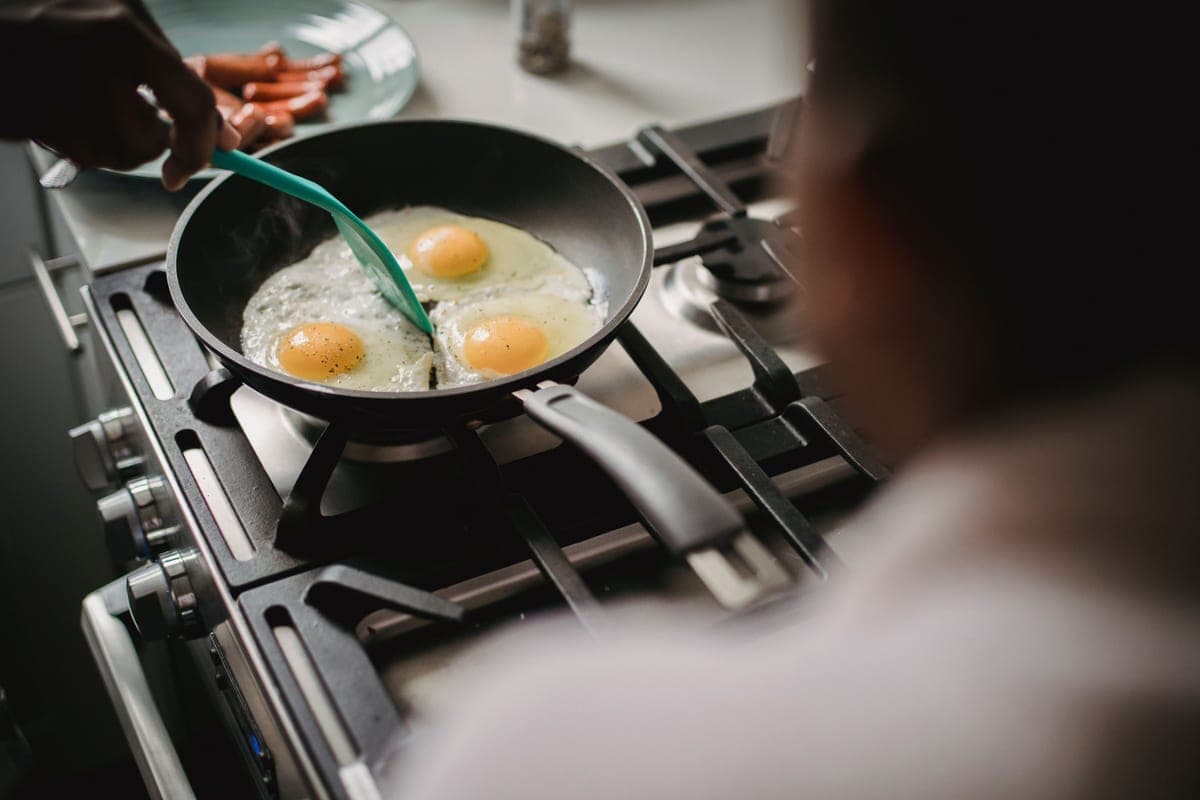
Most "ceramic" cookware is an aluminum pan with a ceramic coating on it. Xtrema is not: it is ceramic through the entire body, with no metal core and no applied coating. For a site that spends most of its time asking what the cooking surface is made of and what is underneath it, that is an unusually short conversation.
The limits are all practical rather than chemical, and there are four of them. They are the reason this is a specialist recommendation rather than a default one.
Quick picks
| # | Product | Best for | Material | Price |
|---|---|---|---|---|
| 1 | Xtrema Versa SkilletSolid ceramic through the body. No coating, no metal, nothing to wear out. | The product reviewed | 100% ceramic through-body (no metal core | |
| 2 | 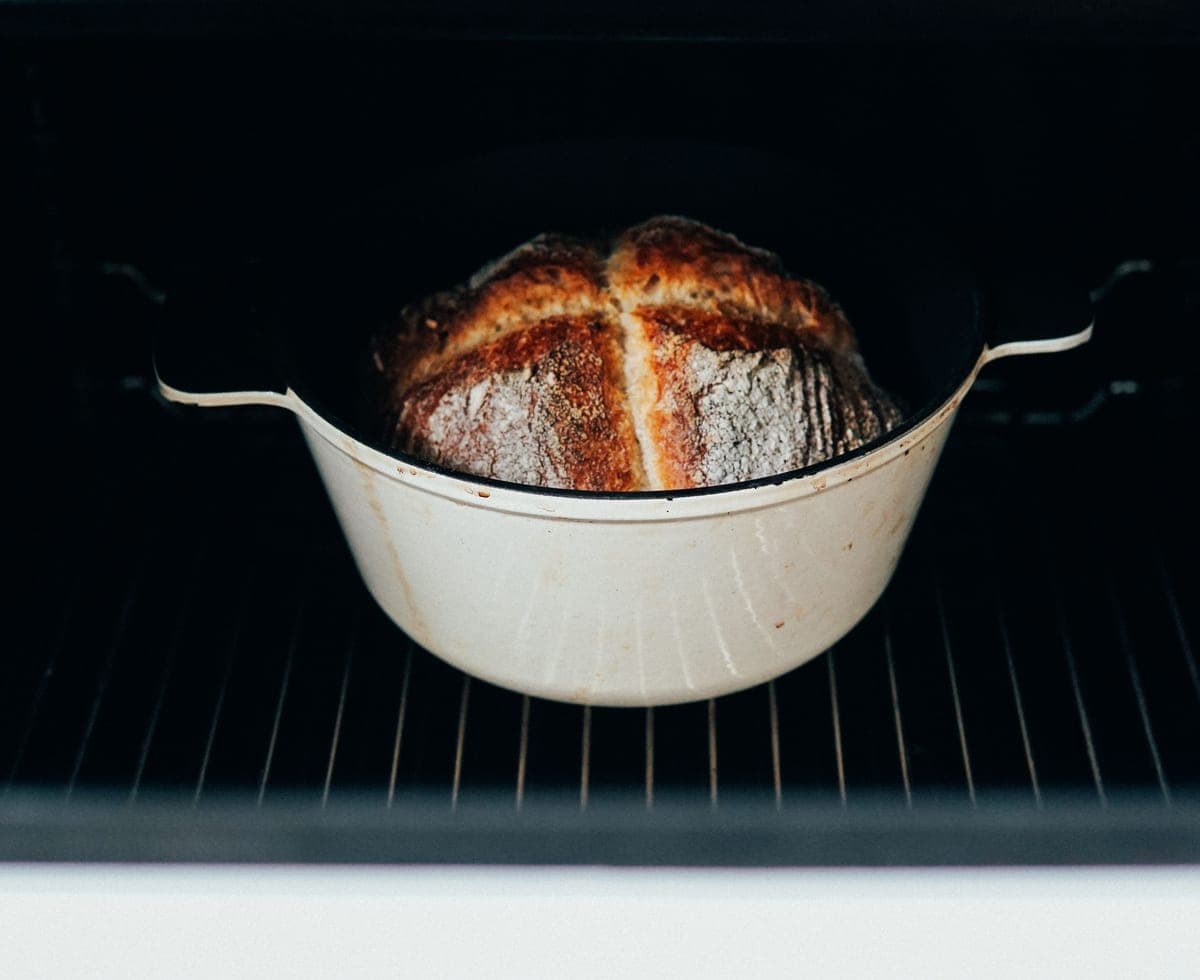 Le Creuset Enameled Dutch OvenFired enamel over iron — also inert, far more robust, works on induction. | Inert, but tougher | Cast iron core with a fired vitreous enamel interior and exterior | |
| 3 |  Made In Stainless Clad SetUncoated clad stainless: no coating, fast, induction-ready, unbreakable. | No coating, better manners | 5-ply stainless clad: 304 stainless cooking surface |
Tap a row to jump to that write-up. Prices are not shown on this site because they change — the button sends you to the live Amazon listing.
What it is actually made of
One hundred percent ceramic, through the thickness of the pan, finished with a glaze. There is no metal core, no stainless base plate and no sol-gel coating — which means the entire category of questions about coating chemistry, coating lifespan and metal leaching does not apply.
The brand states the cookware is oven, broiler and grill safe, which solid ceramic genuinely is. What it is not is induction compatible, because there is no ferromagnetic material in it to couple with the field.
What it is certified to
No named third-party certification. The composition statement is a manufacturer claim, and the glaze composition in particular is the brand's own account.
The glaze is the one place where a question remains, and it is a legitimate one for any ceramic cookware: glaze is where lead historically entered ceramics. FDA assesses lead release from ceramicware with a 24-hour acetic acid leach test and enforces limits on US-market tableware, which covers new product sold through regulated channels. For a mainstream manufacturer, asking directly whether its glaze meets those limits is a reasonable question with an available answer.
What owners complain about
Four things, consistently. It is slow to heat and slow to respond, so it does not suit fast cooking. It is heavy for its size. It breaks if dropped or thermally shocked, and a chipped ceramic pan is finished. And despite the category name it is not meaningfully non-stick, which surprises buyers who expected ceramic coating behavior.
None of those is a safety complaint, and that is the point: the material does what it claims. The complaints are about cooking with it.
What you give up
Speed, responsiveness, induction compatibility and robustness. In exchange you get cookware with the fewest unknowns available: no coating to wear out, no metal to leach, no replacement cycle, and a product that will last indefinitely if you do not break it.
For low-and-slow cooking, for oven-to-table use, and for anyone avoiding metal cookware for a specific medical reason such as nickel sensitivity, that is a good trade. For a weeknight stir-fry it is not.
Who it is for, and who should skip it
- For anyone avoiding metal cookware for a specific reason, where this is the only option in the category that removes it entirely.
- For low-and-slow cooking, braising and oven-to-table serving.
- For buyers who want the fewest possible variables to audit.
- Skip it if you have an induction cooktop. There is no workaround worth using.
- Skip it if you cook fast, or if you drop things.
- Skip it if you want non-stick release — the name is misleading and the pan is not slippery.
Alternatives we would pick instead
If the appeal was no coating, uncoated metal does it with far better cooking manners. If the appeal was no metal, there is genuinely nothing else — which is why this product exists.
The picks in full
1. Best for The product reviewed
Xtrema Versa Skillet
Solid ceramic through the body. No coating, no metal, nothing to wear out.
- Made of
- 100% ceramic through-body (no metal core, no surface coating)
- Certified to
- Manufacturer claimManufacturer claim; no third-party certification published.
- Construction
- Solid ceramic, not a coated metal pan
- Oven and broiler
- Manufacturer states oven, broiler and grill safe
- Induction
- No
It does exactly what it says, which in this category is rarer than it should be. For a buyer whose requirement is no coating and no metal contact, this is the only option that satisfies it rather than reducing it.
What you give up
Slow, heavy, breakable, not induction compatible, and not non-stick.
Who it's for
Low-and-slow cooking and specific metal avoidance.
Who should skip it
Induction cooktops, fast cooking, and butterfingers.
2. Best for Inert, but tougher
Le Creuset Enameled Dutch Oven
Fired enamel over iron — also inert, far more robust, works on induction.
- Made of
- Cast iron core with a fired vitreous enamel interior and exterior
- Certified to
- Manufacturer claimManufacturer claim; no third-party certification published.
- Interior
- Sand-colored vitreous enamel
- Seasoning needed
- No
- Induction
- Yes
If what you wanted was an inert surface for long cooking rather than the absence of metal specifically, enameled cast iron gives you that with much better heat behavior and no induction problem.
What you give up
Heavy, expensive, and chips if knocked. There is iron under the enamel.
Who it's for
Braises and acidic cooking.
Who should skip it
Anyone specifically avoiding metal cookware.
3. Best for No coating, better manners
Made In Stainless Clad Set
Uncoated clad stainless: no coating, fast, induction-ready, unbreakable.
- Made of
- 5-ply stainless clad: 304 stainless cooking surface, aluminum core layers
- Certified to
- Manufacturer claimManufacturer claim; no third-party certification published.
- Construction
- 5-ply clad
- Cooking surface
- 304 stainless steel
- Coating
- None
If the coating was the objection rather than the metal, this is the practical answer — nothing applied to it, decades of service, and it behaves well on every cooktop.
What you give up
Small measured nickel and chromium transfer into long acidic cooks, and technique for eggs.
Who it's for
Everyday cooking with no coating.
Who should skip it
Nickel sensitivity, where enamel or solid ceramic is better.
How we chose, and what we did not do
Every product on this page was checked against its published material composition and its third-party certifications, with each claim labeled as certified, manufacturer-stated or independently tested by a named party. We do not run a lab and we do not claim to have used these products — the full method is here.
Questions people actually ask
Is Xtrema cookware safe?
It is ceramic through the body with no coating and no metal, which removes the coating-chemistry and metal-leaching questions entirely. The remaining question is the glaze, which is the manufacturer's own specification — and FDA enforces lead leach limits on US-market ceramicware.
Is Xtrema cookware non-stick?
No, not meaningfully, despite the category name. It is solid ceramic rather than ceramic-coated, so there is no slippery sol-gel layer. Use fat and expect to cook as you would in stainless.
Does Xtrema work on induction?
No. There is no ferromagnetic material in it to couple with an induction field, and interface discs sacrifice most of the point of induction. It works on gas, electric and in the oven.
Is Xtrema worth the price?
If your requirement is genuinely no coating and no metal, it is the only product that meets it and the price is what it costs. If the requirement was no coating, uncoated metal is cheaper and cooks better.
Sources
- Xtrema (manufacturer)
- US FDA — compliance policy guidance on lead in ceramicware (ASTM C738 leach test)
- Kamerud, Hobbie and Anderson (2013), Stainless Steel Leaches Nickel and Chromium into Foods During Cooking, Journal of Agricultural and Food Chemistry
- California OEHHA — Proposition 65 guidance for businesses — Safe-harbour levels, and when a warning is and is not required
Read next

Kitchen & Cookware
Is ceramic cookware safe?
What a sol-gel ceramic coating is, how it fails, and the one-to-three-year lifespan nobody publishes.
Kitchen & Cookware
Best ceramic cookware sets, and the distinction brands blur
Ceramic sets compared, with the coated-versus-solid distinction made explicit and the real lifespan stated.
Kitchen & Cookware
Glass and stoneware: the inert options
Glass and glazed stoneware: inertness, thermal shock, and the lead question on handmade and vintage pieces.
Kitchen & Cookware
Best non-toxic cookware of 2026 — certification-checked picks
The flagship roundup: six cookware options sorted by material, each with its published composition and certification position.
Written by Selena H., owner of Glass & Cotton.