Kitchen & Cookware
Best non-toxic cookware for beginners
The beginner mistake is not buying the wrong material. It is buying eleven pieces when three would do.
Last reviewed October 17, 2026 — Selena H.
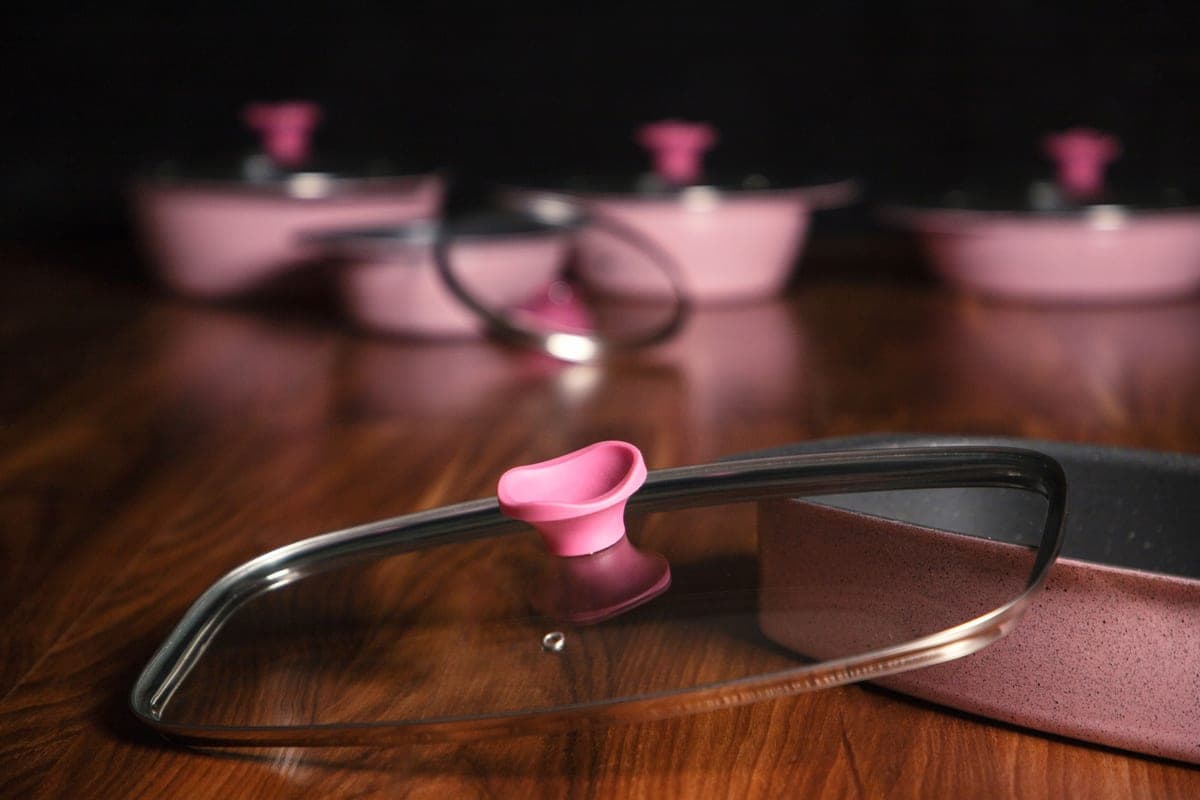
If you are starting from scratch, the best non-toxic cookware for a beginner is a 3-ply clad stainless skillet and saucepan — the Tramontina Tri-Ply Clad Set is the version to buy — plus one coated ceramic pan for eggs and one cast iron skillet for searing. Three pieces, no applied coating on two of them, and nothing that needs replacing in five years.
That order matters more than the brand. A fourteen-piece set sells well because it looks like a complete kitchen, but most of it is a lid, a steamer insert and a pan size you will use twice a year. Buying three good pieces means the money goes into construction rather than piece count, and it means the two pieces you cook on daily have no coating to wear out.
Quick picks
| # | Product | Best for | Material | Price |
|---|---|---|---|---|
| 1 | Tramontina Tri-Ply Clad Set3-ply clad stainless with no coating anywhere, at a price a beginner can justify. | The first set to own | 3-ply clad: 18/10 stainless interior | |
| 2 | 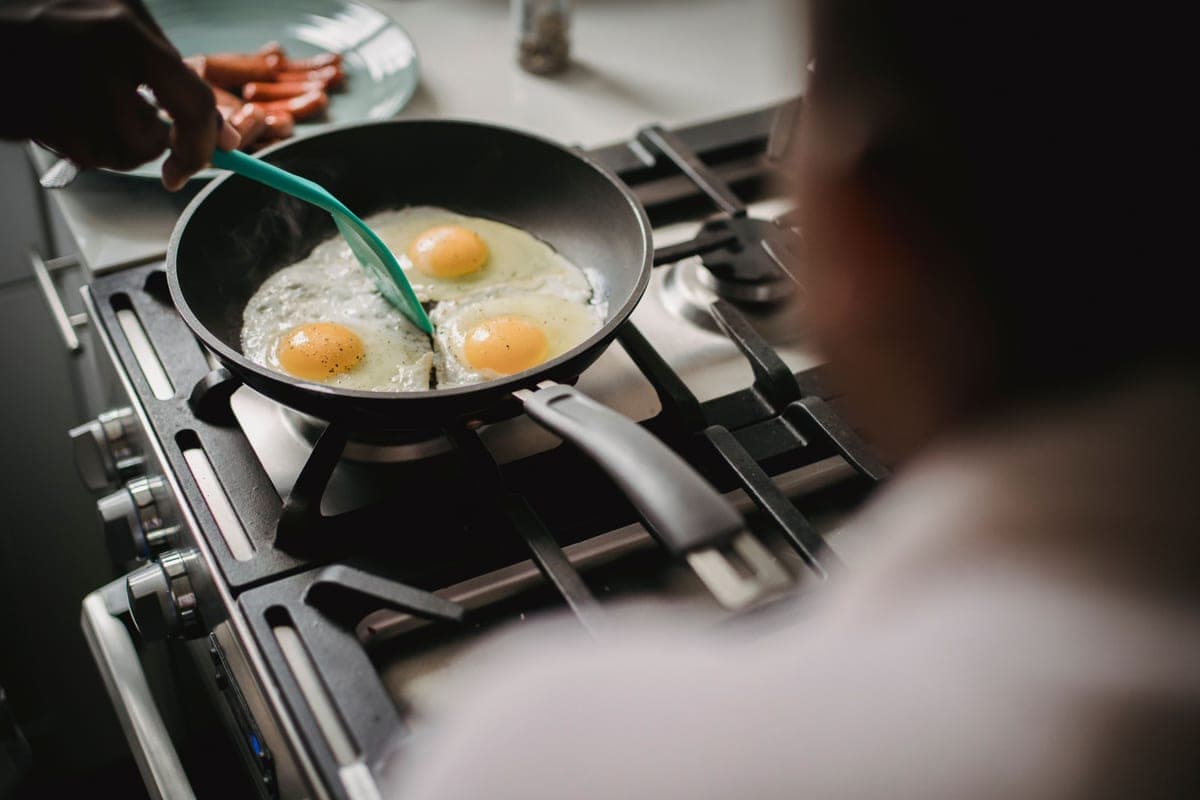 Our Place Always Pan 2.0One ceramic-coated pan so the learning curve on the stainless does not include breakfast. | Eggs, week one | Cast aluminum body with a ceramic non-stick coating | |
| 3 | 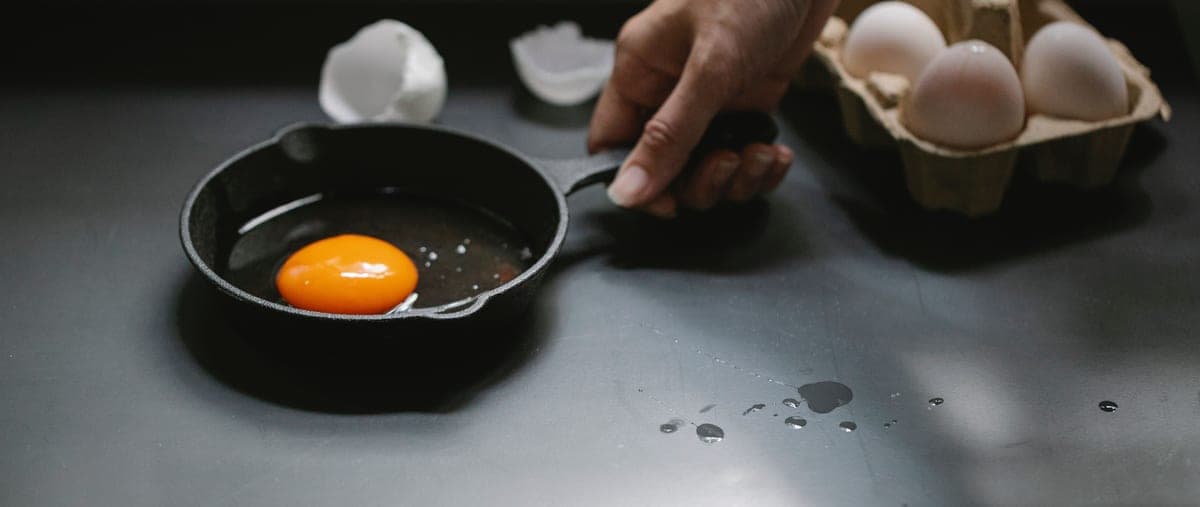 Lodge Cast Iron Skillet (10.25 in)The cheapest pan here and the only one that gets better with use. | Searing, on a budget | Bare cast iron | |
| 4 | 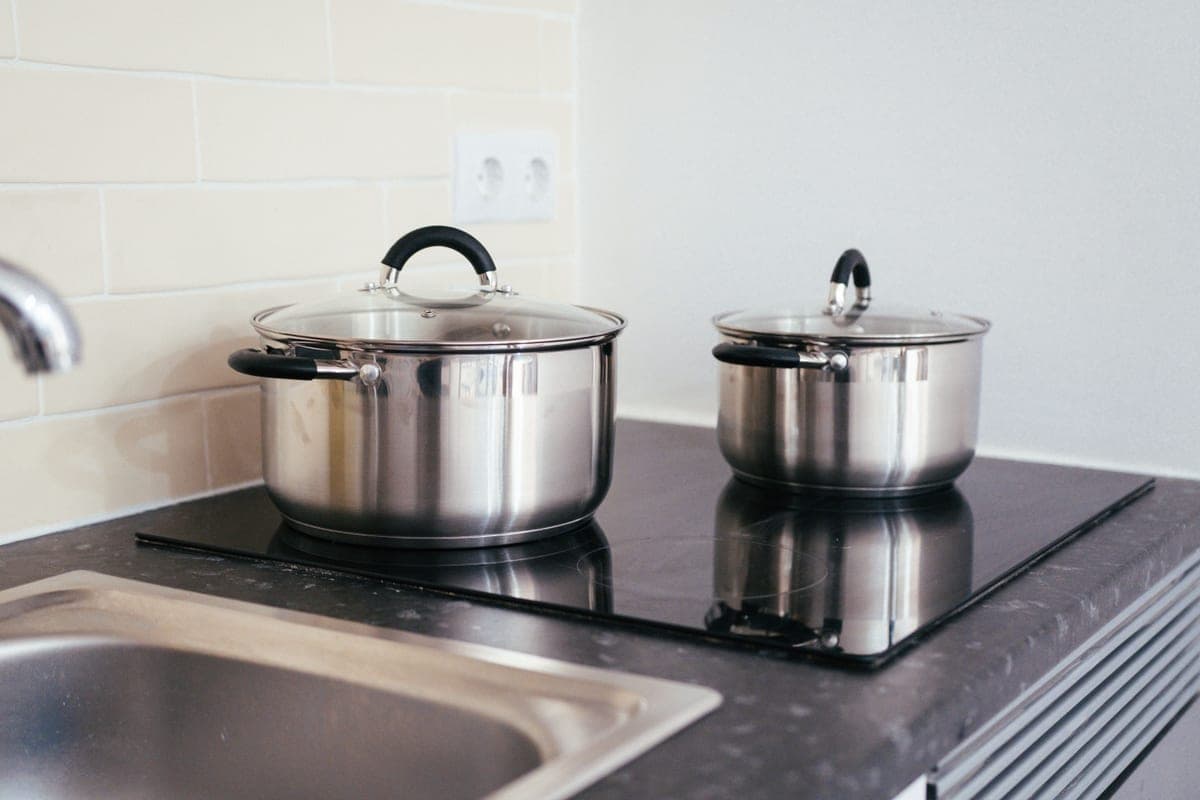 Cuisinart MultiClad Pro Stainless SetThe same 3-ply clad construction with glass lids, if you would rather buy the set than the pieces. | A clad set with lids included | 3-ply clad: 18/10 stainless interior |
Tap a row to jump to that write-up. Prices are not shown on this site because they change — the button sends you to the live Amazon listing.
Buy in this order, not all at once
Nothing in that list is a specialty pan, and that is deliberate. The two pieces you will use every day have no coating, so the money you would have spent on pieces four through fourteen stays in your pocket until you know which specialty pan you actually want.
- A 10 or 12-inch clad stainless skillet. This is the pan that does the most jobs. Buy it first and learn on it.
- One ceramic-coated pan for eggs. Keeps breakfast out of the learning curve. Keep it on medium heat and it will last years.
- A 2 to 3-quart clad saucepan. Grains, sauces, blanching, reheating. The size most people reach for without thinking.
- A cast iron skillet. Cheap, and the only piece here that is better at searing than the stainless.
- A stockpot, last. Cheapest construction you can tolerate — water does not care about an aluminum core.
What to look for on the box
A box that will not tell you the cooking surface alloy is telling you something. The brands on this page publish it, which is the baseline this site uses — see how to check cookware is non-toxic for the full five-step version of that check.
| What to check | What good looks like | Why it matters |
|---|---|---|
| Construction | "3-ply clad", "5-ply clad", "fully clad" | Clad means the aluminum runs up the sides, not just a disc on the base |
| Cooking surface | 18/10 or 304 stainless, named | An unnamed "stainless" surface is usually a thinner grade |
| Coating | "None" is an answer, not a gap | Anything applied has a service life. Know which you are buying |
| Oven rating | A number, from the maker | A coated pan with no published temperature rating is a pan with no margin |
The mistake that costs beginners the most
It is not choosing the wrong material. It is using a coated pan at searing heat, discovering it no longer releases after eight months, and concluding that non-stick is a scam. A ceramic-coated pan held at 450F does not fail because the coating was bad; it fails because that is what heat does to an applied layer over time. Our guide to when a non-stick pan needs replacing covers the signals.
The fix is to give each pan one job. Eggs and fish in the coated pan on medium. Everything that needs real heat in the stainless or the cast iron, where there is nothing to degrade. Split that way, a coated pan lasts years instead of months, and the two uncoated pans never need thinking about at all.
What we ruled out
Large boxed sets priced by piece count, where the per-piece construction has to drop to hit the price. Pans sold without a published cooking-surface alloy. Hybrid stainless-and-coating pans as a first purchase, because they still carry a fluoropolymer and the price is hard to justify before you know how you cook — see HexClad vs All-Clad. And solid ceramic for a beginner, which is a genuinely low-coating option but slow enough in both directions that it rewards experience rather than teaching it.
The picks in full
1. Best for The first set to own
Tramontina Tri-Ply Clad Set
3-ply clad stainless with no coating anywhere, at a price a beginner can justify.
- Made of
- 3-ply clad: 18/10 stainless interior, aluminum core, magnetic stainless exterior
- Certified to
- Manufacturer claimManufacturer claim; no third-party certification published.
- Construction
- 3-ply clad
- Cooking surface
- 18/10 stainless steel
- Coating
- None
Clad stainless is the one construction that does not have a service life: there is no applied layer to scratch, flake or dull, so the pan you learn on is the pan you still have in fifteen years. Tramontina's tri-ply is the cheapest honest version of that construction — 18/10 stainless cooking surface, aluminum core, magnetic exterior — which makes it the lowest-risk first purchase on this site.
What you give up
Uncoated stainless has a technique curve. Food sticks until you learn to preheat properly and let the pan tell you it is ready, and that takes a few weeks rather than a few meals.
Who it's for
Anyone furnishing a first kitchen who wants to buy once.
Who should skip it
Cooks who want to fry an egg tonight with no learning involved.
2. Best for Eggs, week one
Our Place Always Pan 2.0
One ceramic-coated pan so the learning curve on the stainless does not include breakfast.
- Made of
- Cast aluminum body with a ceramic non-stick coating, stainless steel handle
- Certified to
- Manufacturer claimManufacturer claim; no third-party certification published.
- Pieces replaced
- Marketed as replacing 8 pans
- Coating type
- Ceramic, no PTFE
- Oven safe
- Manufacturer states 450F
Every beginner needs one pan where release is not a skill question, and the honest answer is a ceramic-coated pan kept for eggs, fish and pancakes. The Always Pan 2.0 is a cast aluminum body with a ceramic coating and no PTFE, and the manufacturer rates it to 450F, which is well above anything eggs require.
What you give up
The coating is a consumable. Treat it as a three-to-five year pan rather than a lifetime one, keep it under medium heat, and do not let it become the pan you sear in.
Who it's for
Eggs, fish, pancakes, and anything that would otherwise go wrong while you learn stainless.
Who should skip it
Searing, high heat, and anyone unwilling to replace a pan eventually.
3. Best for Searing, on a budget
Lodge Cast Iron Skillet (10.25 in)
The cheapest pan here and the only one that gets better with use.
- Made of
- Bare cast iron, factory-seasoned with vegetable oil
- Certified to
- Manufacturer claimManufacturer claim; no third-party certification published.
- Coating
- None. Polymerized oil seasoning only
- Oven safe
- Manufacturer states oven, grill and campfire safe
- Induction
- Yes
A 10.25-inch Lodge skillet costs less than a mid-range coated pan and does the one job neither of the pans above does well: holding searing heat through a cold steak. The surface is polymerized oil rather than an applied coating, which means damage is repairable rather than terminal — a scratched cast iron pan gets re-seasoned, not thrown away.
What you give up
Weight, and the seasoning habit. No long acidic simmering, and no leaving it wet in the sink.
Who it's for
Steak, chops, cornbread, anything that wants heat retention.
Who should skip it
Tomato sauce, delicate fish, and anyone who cannot comfortably lift three pounds one-handed.
4. Best for A clad set with lids included
Cuisinart MultiClad Pro Stainless Set
The same 3-ply clad construction with glass lids, if you would rather buy the set than the pieces.
- Made of
- 3-ply clad: 18/10 stainless interior, aluminum core, stainless exterior
- Certified to
- Manufacturer claimManufacturer claim; no third-party certification published.
- Construction
- 3-ply clad
- Lids
- Glass
- Coating
- None
If a single boxed purchase is easier than building up a kitchen piece by piece, MultiClad Pro is the honest version of that: 18/10 stainless cooking surface, aluminum core, no coating, and the lids actually included. It is the same answer as the Tramontina with a different piece count, which is why it is here rather than on a separate page.
What you give up
Glass lids are the weak point — they break, and the replacements are not cheap. Same technique curve as any uncoated stainless.
Who it's for
One-purchase kitchen setups and gifts.
Who should skip it
Anyone who only cooks two or three things and does not need five pieces.
How we chose, and what we did not do
Every product on this page was checked against its published material composition and its third-party certifications, with each claim labeled as certified, manufacturer-stated or independently tested by a named party. We do not run a lab and we do not claim to have used these products — the full method is here.
Questions people actually ask
How many pans does a beginner actually need?
Three: a clad stainless skillet, a small clad saucepan and one ceramic-coated pan for eggs. A cast iron skillet is a cheap fourth. Everything beyond that is a specialty purchase you can make once you know you need it.
Is stainless steel too hard for a beginner?
It has a technique curve of a few weeks, not a few years. The single skill is preheating: let the pan come up to temperature, add fat, and wait for it to shimmer before food goes in. Keeping one coated pan for eggs means that learning happens without ruining breakfast.
Should I buy a set or individual pans?
Individual pans, if you are willing to buy them over a few months. A set is better value only when you would genuinely use every piece, and most fourteen-piece sets include pieces that stay in the cupboard.
Is a cheap stainless set as good as an expensive one?
For construction, mostly yes — 3-ply clad is 3-ply clad whether it costs 120 dollars or 500. The expensive sets buy you thicker gauge, better handles and sometimes a 5-ply build. None of that changes the safety question, which is why a budget clad set is a legitimate first purchase.
Sources
- Our Place (manufacturer)
- Lodge Cast Iron (manufacturer)
- Kamerud, Hobbie and Anderson (2013), Stainless Steel Leaches Nickel and Chromium into Foods During Cooking, Journal of Agricultural and Food Chemistry
- US FDA — Food Packaging & Other Substances that Come in Contact with Food: Information for Consumers — How food contact substances are authorized, and what migration review covers
Read next
Kitchen & Cookware
Best non-toxic cookware of 2026 — certification-checked picks
The flagship roundup: six cookware options sorted by material, each with its published composition and certification position.
Kitchen & Cookware
Best budget non-toxic cookware
Uncoated cookware under $50, and the cost-per-year arithmetic that makes it cheaper than coated sets.
Kitchen & Cookware
When to replace a non-stick pan
Five signals a coated pan is finished, why heat ends most of them, and three replacements with no service life.
Kitchen & Cookware
The safest cookware materials, in one table
The flagship comparison table: every cookware material on PFAS status, heat limit, leaching concern and lifespan.
Written by Selena H., owner of Glass & Cotton.