Kitchen & Cookware
Le Creuset review: the badge covers more than one material
The enameled cast iron is excellent and has no coating on it. The brand also sells a coated pan, and the logo on both is identical.
Last reviewed November 3, 2026 — Selena H.
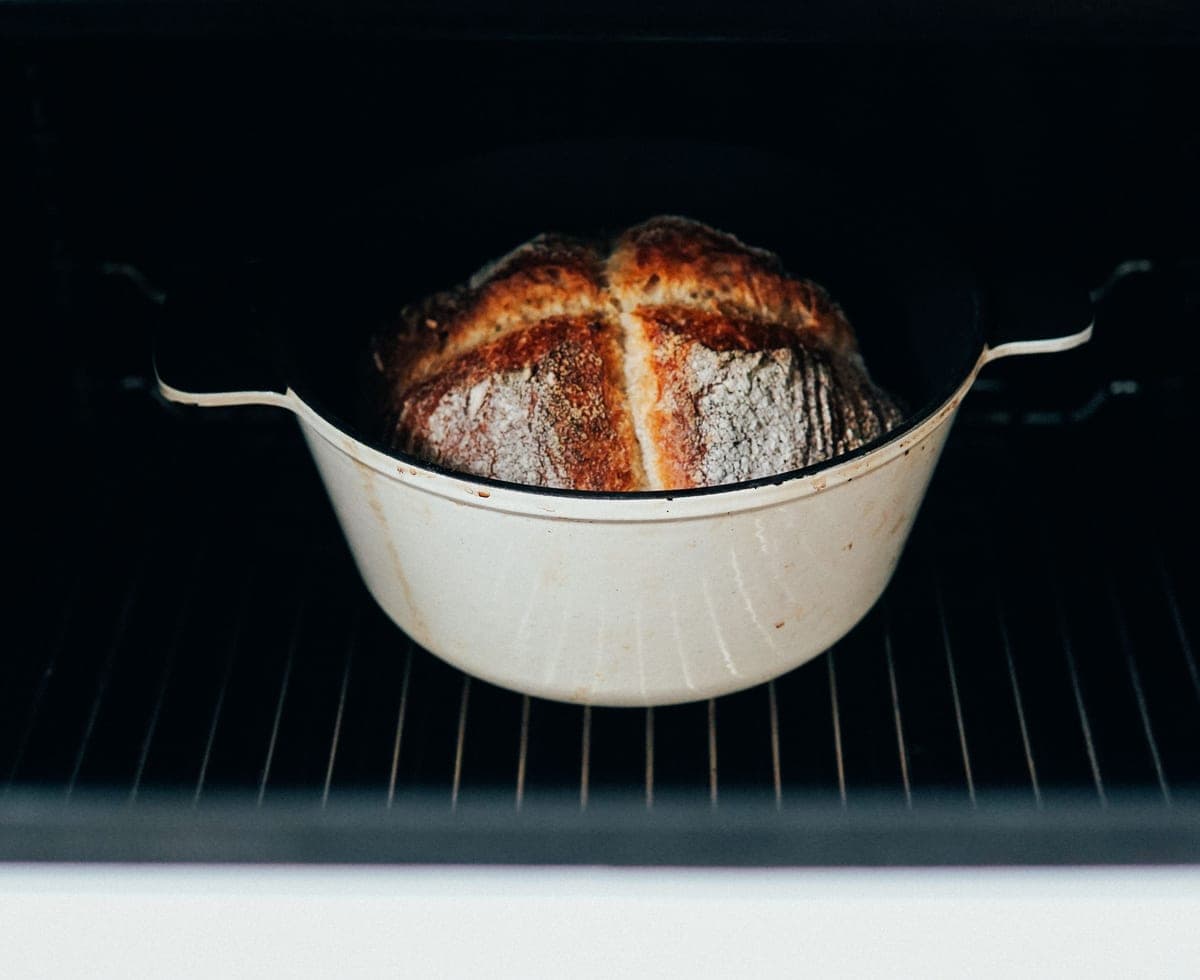
Le Creuset is the brand this site's readers most often name as the safe default, and the reasoning behind that is sound as far as it goes. Enameled cast iron has no applied non-stick coating. It is iron with a glass surface fired onto it, it does not degrade, and a pot bought today will be cooking in thirty years. If that is what you are buying, the reasoning holds.
The problem is that the reasoning attaches to the material and people attach it to the badge. Le Creuset does not sell one material; it sells several, under the same name, in the same stores, with the same logo on the box. One of them is a hard-anodized aluminum pan with a non-stick coating on it. Nothing about the brand name tells you which one you are holding, and the halo from the dutch oven does not transfer.
So this review is organized around that, rather than around whether the dutch oven is good. It is good. The useful questions are what each line actually is, what the company publishes about it, and what it does not publish — and on that last point the brand's record is more mixed than its reputation suggests.
Quick picks
| # | Product | Best for | Material | Price |
|---|---|---|---|---|
| 1 | Le Creuset Enameled Dutch OvenCast iron with fired vitreous enamel, no coating, and the clearest published care guidance in the category. | The product reviewed | Cast iron core with a fired vitreous enamel interior and exterior | |
| 2 | Lodge Enameled Cast Iron Dutch OvenEnameled cast iron from the one brand that lists the designated chemicals in its glaze, by color. | The same pot with a published disclosure | Cast iron core with a fired porcelain enamel interior and exterior | |
| 3 | 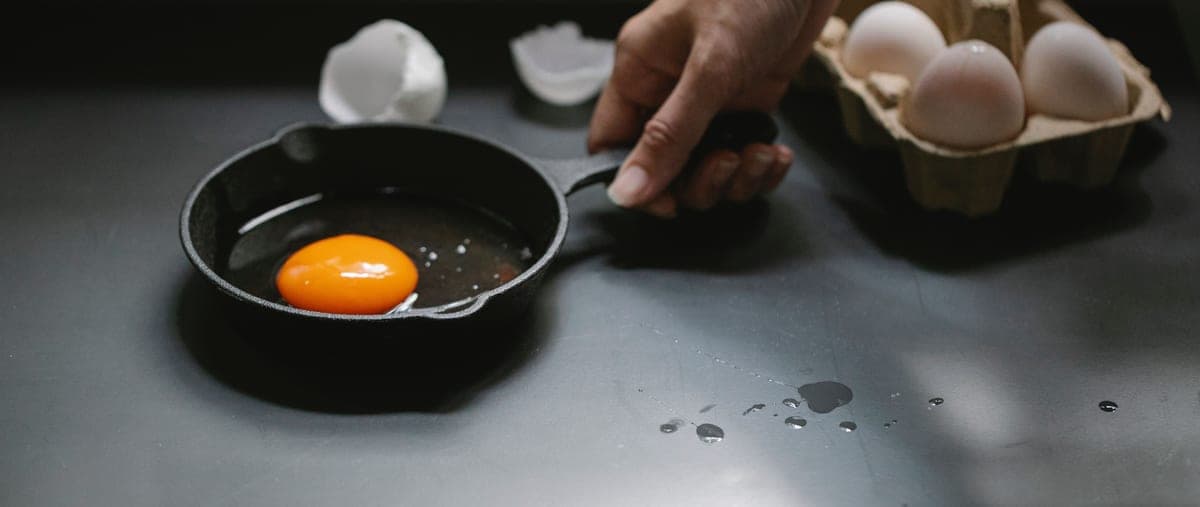 Lodge Cast Iron Double Dutch Oven (5 qt)Bare seasoned cast iron — iron and oil, and nothing else to assess. | No glaze to chip or disclose | Bare cast iron | |
| 4 | 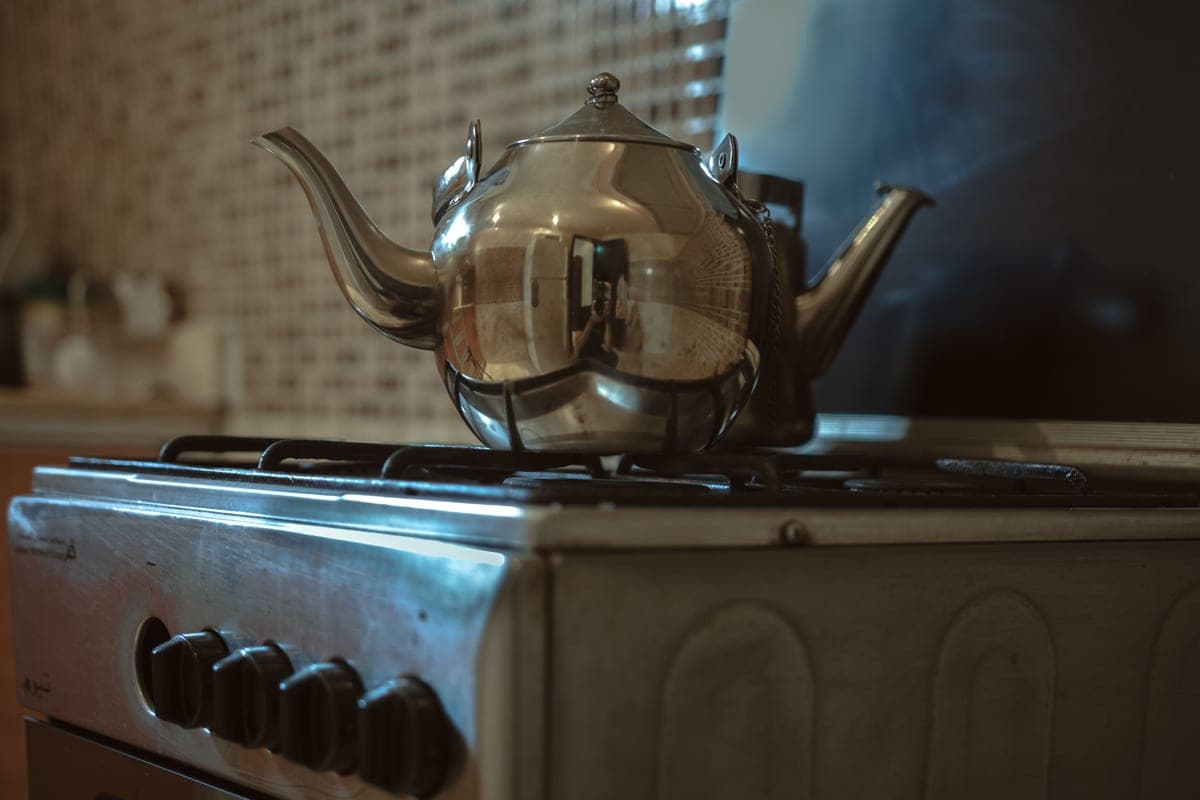 Le Creuset Enamel-on-Steel KettleEnamel fired onto a carbon steel body, with plastic limited to the handle grip. | The other Le Creuset most kitchens own | Carbon steel body with a fired enamel interior and exterior |
Tap a row to jump to that write-up. Prices are not shown on this site because they change — the button sends you to the live Amazon listing.
What the badge actually covers
Three material families we could verify published statements for during this update, and they could not be more different from each other. The catalog is wider than this; these are the ones where we could read a material position rather than infer one.
| Line | Cooking surface | Is there an applied coating? | Published heat limit |
|---|---|---|---|
| Enameled cast iron (the dutch ovens) | Fired vitreous enamel over cast iron | No — enamel is fired glass, not a polymer layer | 660F for an all-iron piece; 500F with a stainless knob; 390F with a phenolic knob |
| Enamel on steel (the kettles) | Fired enamel over a carbon steel body | No | Stovetop use; plastic is limited to the handle grip |
| Toughened Nonstick PRO | A non-stick coating on forged hard-anodized aluminum | Yes — described as a triple-reinforced non-stick surface | 500F oven, with tempered glass lids rated to 425F |
The enameled cast iron, which is what people mean
This is the product the reputation was built on and it deserves most of it. A Le Creuset dutch oven is cast iron with porcelain enamel fired onto both faces, with a pale interior so you can read a fond, and it is genuinely one of the few pieces of cookware with no service life. There is no sol-gel layer, no fluoropolymer and nothing applied that can wear through. Enamel is glass; it either survives or it chips.
It does the one job bare iron cannot. A long acidic braise — tomato, wine, vinegar — strips seasoning off bare cast iron and will pick up a metallic edge. The glass surface is inert to all of it, which is why an enameled pot is the right tool for stews, beans, chili and bread, and why most kitchens end up owning one even if everything else is bare metal. We take that comparison apart properly in enameled vs bare cast iron.
What the company does not publish is a composition statement for the enamel. That is the gap, and it is a real one for a buyer who filters on what a thing is made of: the brand's position on materials is a manufacturer claim with no published formula behind it. The contrast is instructive rather than damning — Lodge publishes a chemical-by-name California disclosure for its enameled line, including a note attaching cadmium compounds to red and orange items only, and that is a more useful document than anything we could locate from Le Creuset. We set the two side by side in Le Creuset vs Lodge enameled.
One general mechanism is worth knowing regardless of brand, because it is chemistry rather than marketing: cadmium compounds produce bright reds, oranges and some yellows in ceramic glazes. That is why Lodge's own disclosure restricts cadmium to those colors, and it is the reason a buyer worried about pigments has a simple, free action available — choose a blue, green, gray or cream pot. Interior color matters most in any case, since the interior is the surface in prolonged contact with acidic food, and the interior is pale on these pots regardless of the exterior. The parallel argument for plates is in best lead-free dinnerware.
The coated line, and the word doing the work
Le Creuset's Toughened Nonstick PRO is a forged hard-anodized aluminum pan with a non-stick coating on the cooking surface, described on authorized retail listings as a triple-reinforced non-stick surface, oven safe to 500F, dishwasher safe, induction compatible and made in China. It is, in other words, a conventional coated pan — a good one, with a limited lifetime warranty behind it, but structurally the same proposition as every other coated pan.
The descriptor that travels with it is "PFOA-free," and that phrase needs unpacking because it is the single most over-read word in cookware marketing. PFOA was a processing aid, not the coating. Eight manufacturers committed under the EPA's PFOA Stewardship Program to eliminate it from emissions and products by 2015, and that elimination is complete across the US industry. "PFOA-free" in 2026 therefore describes an industry-wide baseline, not a brand decision, and it says nothing at all about which polymer the coating actually is.
That is the information gap. The listings we read name the coating as non-stick and PFOA-free and do not name the polymer. Under the revised OECD definition, any chemical with at least one perfluorinated methyl or methylene group is a PFAS — which covers the whole fluoropolymer family — so the absence of PFOA has no bearing on whether a fluoropolymer is present. If you want that decoded properly, PTFE, PFA and FEP coatings is the page.
None of this means the pan is dangerous in normal use. It means a buyer who chose Le Creuset specifically because enameled cast iron has no coating has, in this line, bought a coating — and the published information is thinner than it is on the dutch ovens, not thicker. A coated pan is also a consumable with a replacement cycle, which an enameled pot is not, and that is the part that catches people out.
What it is certified to
Nothing third-party, which is normal across this entire category rather than specific to Le Creuset. Cookware has almost no applicable independent certification marks — unlike textiles with GOTS or water filters with NSF — so the honest label here, exactly as for every other cookware brand reviewed on this site, is manufacturer claim; no third-party certification published.
The regulatory floor that does apply to a glazed surface is leach testing. The FDA assesses lead release from ceramicware with a 24-hour acetic acid soak and enforces limits on what migrates into the acid, which covers new product sold through regulated US channels. That is a migration standard, not a presence standard, and the difference between those two measurements is the reason independent XRF results and manufacturer leach results so often appear to contradict each other without either being wrong. We explain that distinction in full in Xtrema vs Caraway.
The care documentation is the best thing the company publishes
Credit where it is due: Le Creuset's published care guidance is the most detailed in the category, and it is more useful than most brands' safety pages. It breaks temperature ceilings out by component rather than giving one number for the pot — 660F for an all-enameled-cast-iron piece, 500F with a stainless knob, 390F with a phenolic knob — and it instructs gradual heating and cooling rather than thermal shock.
The 390F figure is the one that catches people, and it is worth repeating because it is genuinely actionable: a 450F bread bake exceeds the rating of a phenolic knob. The pot is fine; the knob is not. Metal replacement knobs are sold for a small amount and swapping one is a single screw.
The other instruction that matters is the one about damage. Le Creuset's guidance is explicit that a pot whose interior enamel has chipped should stop being used — and the reasoning generalizes to every brand of enameled cookware. A chip exposes bare iron that will rust and react with acidic food, and the damaged edge keeps spalling. That is how enameled cookware actually dies, far more often than wear.
What owners complain about
What is notably absent from that list is the complaint that dominates every coated-cookware review on this site: the surface stopped working. Enamel does not degrade with use. The failure modes above are all mechanical, which means they are largely within your control.
- Chipping, overwhelmingly. A knock against a sink, a dropped lid, a metal utensil used hard against the rim. It is the single most common complaint and it is usually terminal for the pot.
- Weight. A large enameled cast iron pot full of braise is heavy enough that lifting it out of a hot oven is a two-hand job and a real consideration for anyone with wrist or shoulder problems.
- Staining and crazing of the interior. Mostly cosmetic. Fine crazing lines in the glaze are common with age and are not the same as a chip.
- Price, which is several times a functionally comparable pot from other makers and is the most common reason people do not buy one.
- Knob confusion — buyers discovering the 390F phenolic limit after a bread recipe, not before.
What you give up
Money, and a composition statement. The pot is excellent and the care documentation is the best in the category, but what you are paying several times a comparable pot for is finish, consistency, lid fit, weight for capacity, color range, warranty position and resale value. Those are real things and none of them is a materials thing. If the disclosure is what you came for, the Lodge publishes more and costs less, and we said so plainly on the comparison page.
You also give up dry high-heat cooking. Enamel does not like being preheated empty on high, which rules out the hard searing a bare iron or carbon steel pan is built for. If that is the job, the enameled pot is the wrong tool and bare metal is the right one — see best non-toxic woks for how far that argument goes at the hot end of the stove.
Who it is for, and who should skip it
- For long acidic cooking — braises, stews, beans, chili, tomato sauce — where bare iron is the wrong material and a coating is pointless.
- For bread baking, as long as you check the knob rating first and swap a phenolic one for metal.
- For buy-once kitchens that want an object they will still own in thirty years and will treat accordingly.
- Skip it if a published composition statement is your deciding criterion. Lodge publishes a chemical-by-name list and Le Creuset does not.
- Skip it if the budget is tight. The functional gap at the same capacity is much smaller than the price gap.
- Skip it if you wanted a non-stick pan from a brand with no coatings — that is the line this review exists to flag, and it is a coated pan like any other.
Alternatives we would pick instead
Depending on which part of the proposition you wanted: the same construction with a published chemical disclosure and change left over, or no glaze at all.
The picks in full
1. Best for The product reviewed
Le Creuset Enameled Dutch Oven
Cast iron with fired vitreous enamel, no coating, and the clearest published care guidance in the category.
- Made of
- Cast iron core with a fired vitreous enamel interior and exterior
- Certified to
- Manufacturer claimManufacturer claim; no third-party certification published.
- Interior
- Sand-colored vitreous enamel
- Seasoning needed
- No
- Induction
- Yes
An inert glass surface over iron that is unbothered by a four-hour tomato braise, with heat ceilings published by component — 660F all-iron, 500F with a stainless knob, 390F with a phenolic one — and an explicit instruction to retire a pot with a chipped interior. Nothing here degrades with use.
What you give up
Several times the price of a functionally comparable pot, real weight, and no published composition statement for the enamel.
Who it's for
Daily braising, bread, buy-once kitchens, and cooks who will read the care sheet.
Who should skip it
Tight budgets, dry high-heat searing, and anyone whose deciding factor is a published glaze composition.
2. Best for The same pot with a published disclosure
Lodge Enameled Cast Iron Dutch Oven
Enameled cast iron from the one brand that lists the designated chemicals in its glaze, by color.
- Made of
- Cast iron core with a fired porcelain enamel interior and exterior
- Certified to
- Manufacturer claimManufacturer claim; no third-party certification published.
- Coating
- Fired porcelain enamel, no PTFE or PFOA per Lodge
- Cadmium disclosure
- Lodge lists cadmium compounds for red and orange items only
- Seasoning needed
- No
Lodge's California disclosure names the chemicals in its enameled line and attaches cadmium compounds to red and orange items only, which is the most actionable sentence either company publishes. The same page states the cookware is made without PFOA and PTFE. It also costs a fraction as much.
What you give up
Finish and consistency are a step below, the lid fit is less tight, and resale value is essentially zero.
Who it's for
Buyers who would rather read a disclosure than a slogan, and anyone cost-conscious.
Who should skip it
Anyone buying an heirloom object, and anyone set on a specific color.
3. Best for No glaze to chip or disclose
Lodge Cast Iron Double Dutch Oven (5 qt)
Bare seasoned cast iron — iron and oil, and nothing else to assess.
- Made of
- Bare cast iron, foundry-seasoned with vegetable oil. No enamel or glaze
- Certified to
- Manufacturer claimManufacturer claim; no third-party certification published.
- Food contact
- Iron and polymerized oil. Nothing applied
- Lid
- Converts to a 10.25-inch skillet
- Made in
- Manufacturer states USA for bare cast iron
If the glaze is the part you are unsure about, the clean move is a pot without one. Lodge's disclosure for bare seasoned cast iron lists iron and soybean oil, which is the shortest ingredient list in cookware, and damage is repairable rather than terminal.
What you give up
It is bad at the one thing an enameled pot is best at — long acidic cooking strips seasoning — and it rusts if left wet.
Who it's for
Searing, bread, camp cooking, and anyone who wants nothing on the metal at all.
Who should skip it
Tomato braises, and anyone who will not dry and oil a pan.
4. Best for The other Le Creuset most kitchens own
Le Creuset Enamel-on-Steel Kettle
Enamel fired onto a carbon steel body, with plastic limited to the handle grip.
- Made of
- Carbon steel body with a fired enamel interior and exterior
- Certified to
- Manufacturer claimManufacturer claim; no third-party certification published.
- Water contact
- Fired enamel
- Plastic
- Handle grip only
- Note
- Chips if knocked, like all enamel
The same material logic as the dutch oven applied to boiling water: the water touches fired enamel, not plastic and not a coating, which is the main thing worth checking in a kettle. It is the stovetop answer rather than the electric one.
What you give up
It chips if knocked, like all enamel, and a chipped kettle interior exposes bare steel to water. There is no temperature control and no auto shut-off.
Who it's for
Stovetop tea and pour-over coffee in kitchens avoiding plastic water paths.
Who should skip it
Anyone who wants variable temperature or a kettle they can walk away from.
How we chose, and what we did not do
Every product on this page was checked against its published material composition and its third-party certifications, with each claim labeled as certified, manufacturer-stated or independently tested by a named party. We do not run a lab and we do not claim to have used these products — the full method is here.
Questions people actually ask
Is Le Creuset non-toxic?
The enameled cast iron has no applied non-stick coating — it is fired vitreous enamel over iron, which does not degrade and has no service life. That is a strong position on materials. What the company does not publish is a composition statement for the enamel, so the honest label is manufacturer claim with no third-party certification published. Note also that the brand sells a separate coated line, so the answer depends on which Le Creuset product you mean.
Does Le Creuset use Teflon or PFAS?
The enameled cast iron does not — there is no polymer coating on it at all. The Toughened Nonstick PRO line is a different product: a coated hard-anodized aluminum pan, described on authorized retail listings as having a triple-reinforced non-stick surface and as PFOA-free, with the polymer not named. PFOA-free is not a statement about the polymer family; PFOA was eliminated across the US industry by 2015 under the EPA stewardship program.
Is Le Creuset lead free and cadmium free?
The company publishes no composition statement we could locate, so there is no brand figure to quote. What applies regardless of brand is the regulatory floor: the FDA assesses lead release from glazed ceramicware with a 24-hour acetic acid leach test and enforces limits on what migrates. The general mechanism for cadmium in any ceramic glaze is pigment — Lodge's own disclosure attaches cadmium compounds to red and orange items only — so choosing a blue, green, gray or cream pot is a free and sensible precaution with any brand.
How hot can a Le Creuset dutch oven go?
The company publishes the limits by component rather than by pot: 660F for an all-enameled-cast-iron piece, 500F with a stainless knob and 390F with a phenolic knob. The phenolic figure is the one that catches people, because a 450F bread bake exceeds it. Check the knob on your own pot and swap a plastic one for metal before a high-temperature bake.
Is a chipped Le Creuset safe to use?
No. The company's own care guidance says to stop using a pot whose interior enamel has chipped, and the reasoning applies to every brand of enameled cookware: the chip exposes bare iron that will rust and react with acidic food, and the damaged edge keeps spalling into whatever you cook. Retire it from cooking.
Is Le Creuset worth it over Lodge enameled?
Not on materials, and that is the surprising part. Both are porcelain enamel over cast iron with a pale interior, and Lodge publishes more about its glaze than Le Creuset does — a chemical-by-name California disclosure plus a statement that its cookware is made without PFOA and PTFE. The Le Creuset premium buys enamel consistency, lid fit, weight for capacity, color range and resale value. Those are legitimate things to want; they are not safety things.
Sources
- Le Creuset — Care and Use (manufacturer) — Published temperature ceilings by handle/knob type and the instruction to stop using a chipped interior
- Le Creuset (manufacturer)
- Abt — Le Creuset 12 inch Toughened Nonstick PRO Fry Pan, 51131030001001 (authorized retailer listing) — Forged hard-anodized aluminum body, 'Triple-reinforced nonstick surface', listed PFOA-free with no polymer named, oven safe to 500F (glass lids 425F), dishwasher safe, made in China
- US EPA — Fact Sheet: 2010/2015 PFOA Stewardship Program — Eight manufacturers committed to a 95% cut in PFOA emissions and product content by 2010 and elimination by 2015
- Food Packaging Forum — OECD report reconciles PFAS terminology (summary of OECD, 9 June 2021) — Quotes the revised OECD definition: any chemical with at least a perfluorinated methyl (-CF3) or methylene (-CF2-) group is a PFAS
- Plas-Tech Coatings (a Chemours Licensed Industrial Applicator) — what the Teflon coating resins are — Industry applicator definitions and published maximum use temperatures for PTFE (550F), PFA (500F), FEP (400F) and ETFE (300F)
- Lodge Cast Iron — California AB 1200 designated-chemical disclosure — Lists cadmium compounds for enameled cast iron under 'Red and Orange items only', and states the cookware is made without PFOA and PTFE
- Lodge Cast Iron — cast iron made without PFAS (manufacturer)
- US FDA — compliance policy guidance on lead in ceramicware (ASTM C738 leach test)
Read next
Kitchen & Cookware
Le Creuset vs Lodge enameled cast iron
The two best-known enameled dutch ovens, compared on published glaze disclosure, heat limits and where they are made.
Kitchen & Cookware
Best non-toxic dutch ovens
Enameled, clay and bare-iron dutch ovens ranked by what each maker actually publishes about its glaze.
Kitchen & Cookware
Enameled vs bare cast iron
Bare versus enameled cast iron: iron transfer, acidic cooking, searing and maintenance.
Kitchen & Cookware
Lodge cast iron review: a two-word specification and a fifty-year life
Lodge cast iron assessed: material, factory seasoning, the iron-transfer exception, and real lifespan.
Kitchen & Cookware
Cast iron cookware, bare and enameled
Bare versus enameled cast iron: iron transfer, acidic cooking limits, seasoning chemistry and who should avoid it.
Written by Selena H., owner of Glass & Cotton.