Kitchen & Cookware
Best non-toxic woks
Stir-frying is the one job in the kitchen where the published temperature limit of a coating and the temperature you actually cook at do not overlap.
Last reviewed November 3, 2026 — Selena H.
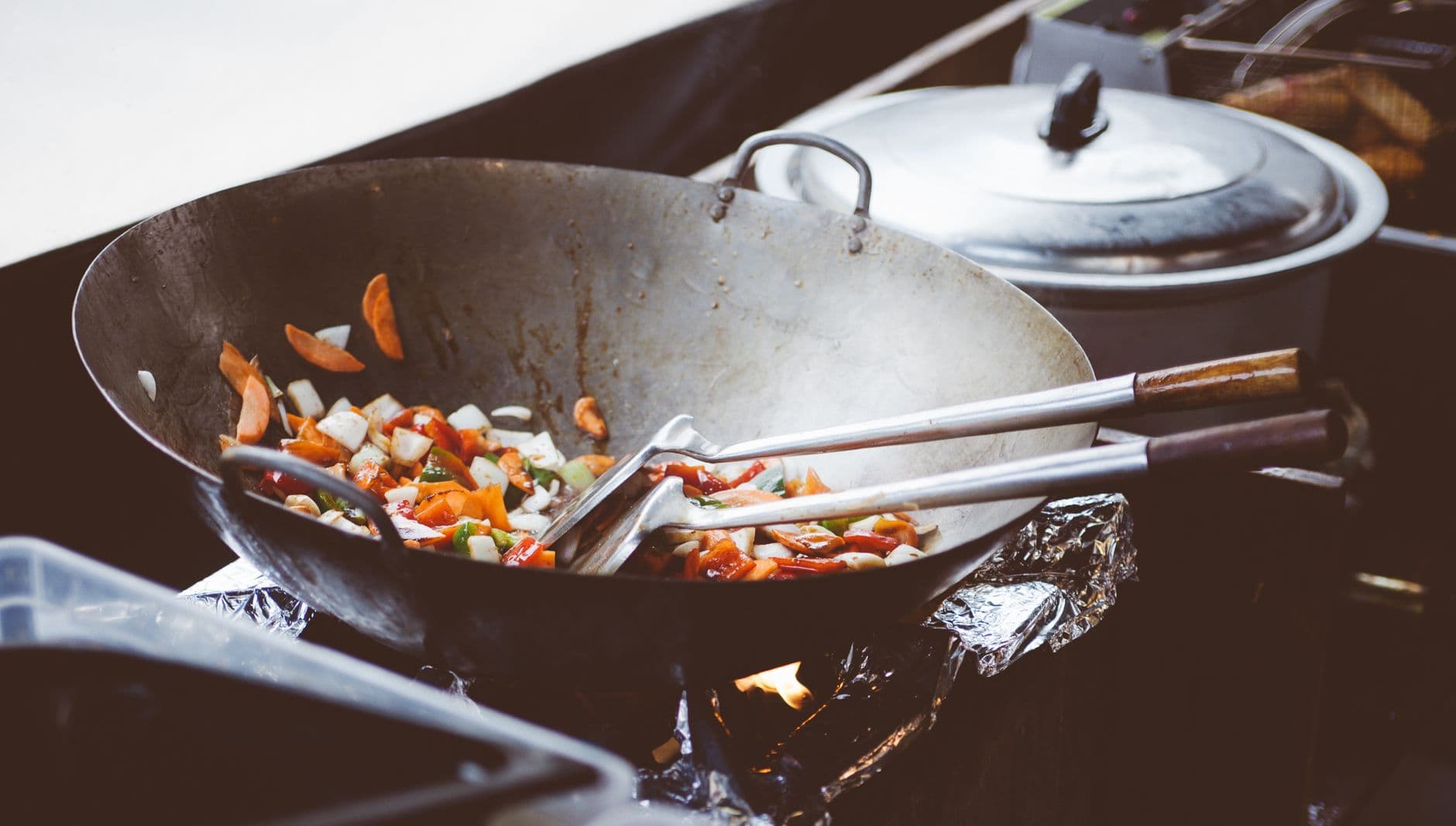
Most cookware categories force a judgment call. You weigh a coating's convenience against its service life, decide how much the brand's disclosure is worth, and pick. Woks are different, and they are different for a reason that has nothing to do with chemistry and everything to do with arithmetic.
A stir-fry is cooked on a dry, empty, screaming-hot surface. That is not a stylistic preference — it is the mechanism. The flavor people chase in a restaurant stir-fry comes from food hitting metal that is far past the boiling point of water, searing in seconds, and being thrown clear before it steams. Now put a number against the other side of the equation: the industry's own published maximum use temperatures for the fluoropolymer coatings sold as non-stick run 550F for PTFE, 500F for PFA, 400F for FEP and 300F for ETFE. Those ceilings are not scare figures from a campaign group; they are the specification an industrial applicator publishes for the resin.
So the category answers itself. A coated wok is a wok you have to cook badly to use safely, and nobody buys a wok in order to simmer in it. Every pick below is bare metal — carbon steel, cast iron or uncoated stainless — with no applied surface of any kind, and we ranked them on what each maker publishes about the metal rather than on what the box says about chemicals.
Quick picks
| # | Product | Best for | Material | Price |
|---|---|---|---|---|
| 1 | Made In Seasoned Carbon Steel WokThin, light, factory-seasoned carbon steel with a published heat ceiling that is not in the same universe as a coating's. | The clearest published materials in the category | 1.5mm carbon steel | |
| 2 | 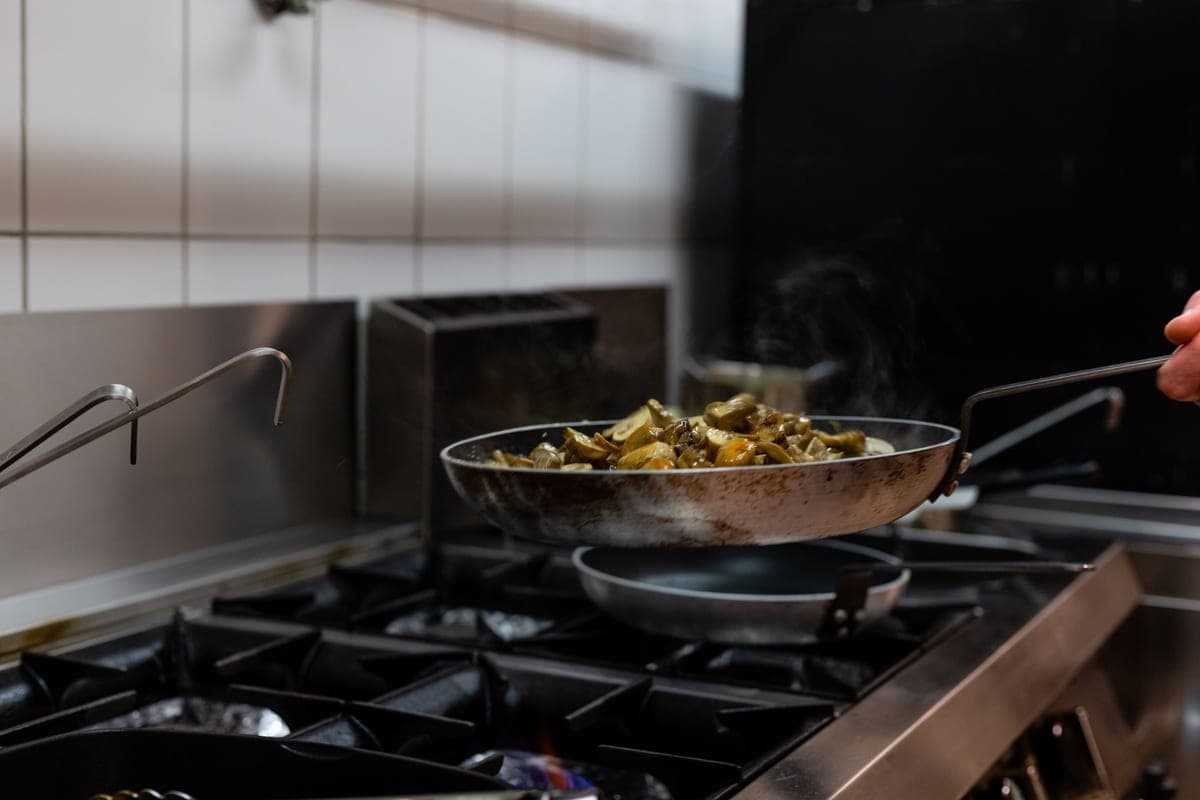 ZWILLING Dragon Carbon Steel Wok With LidA carbonitrided carbon steel wok that ships with a glass lid and a walnut handle, from a brand that states the alloy. | Carbon steel with a lid, for less money | Carbon steel the brand describes as 99% pure iron | |
| 3 | 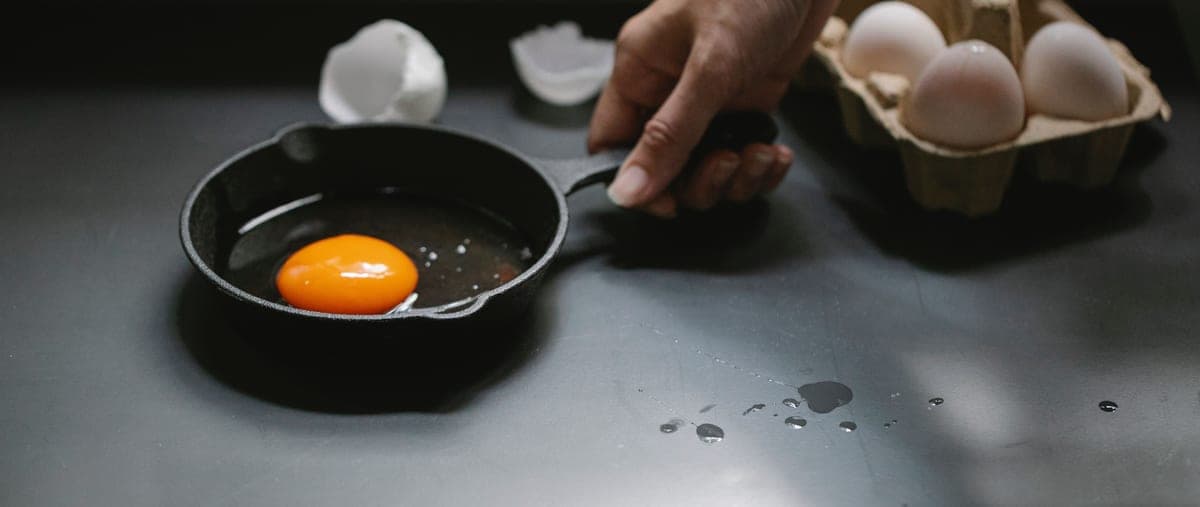 Lodge 14 Inch Seasoned Cast Iron WokHeavy seasoned cast iron from the one brand on this page that publishes both its seasoning oil and a PFAS position. | Heat retention, and the only US-made pick here | Cast iron | |
| 4 | 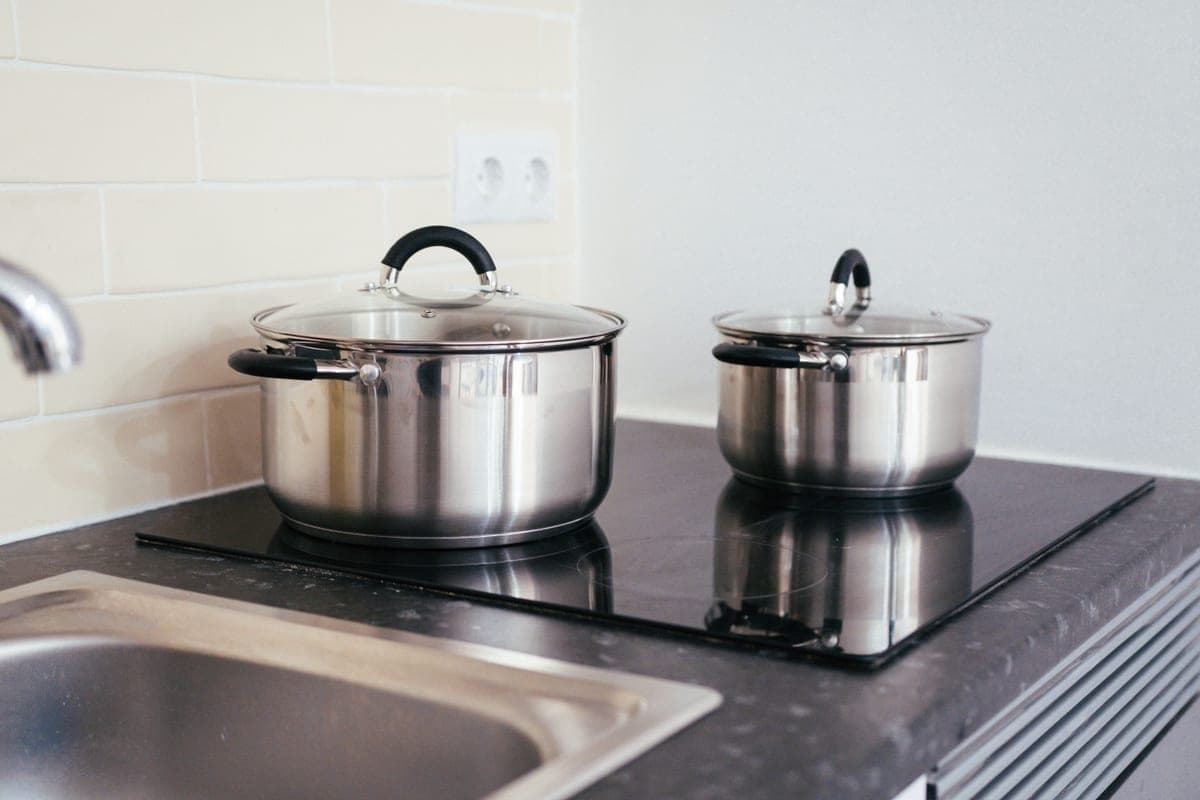 Demeyere Industry 5 Flat Bottom WokFully clad 18/10 stainless with welded handles, dishwasher safe, and nothing on the surface to maintain or lose. | Never seasoning anything, ever | 18/10 stainless steel |
Tap a row to jump to that write-up. Prices are not shown on this site because they change — the button sends you to the live Amazon listing.
What we checked, in order
Five checks, in that order, and one thing deliberately missing from them: a cooking verdict based on months of use. We have not run identical batches of fried rice through four woks and we are not going to imply we did. What this page does is read what each maker publishes, confirm the product is genuinely on sale, and set the published positions side by side — the same standard applied in how to check cookware is non-toxic.
- Is there a coating on it? This is the whole filter. A wok is the single worst application for a fluoropolymer or sol-gel surface because the cooking method requires temperatures above what the coating is rated for. Coated woks are ruled out here regardless of brand, price or what the marketing calls the coating.
- Does the maker publish the metal? "Carbon steel" on a box is a category, not a specification. A thickness in millimeters, an alloy statement, or a stated iron percentage on the manufacturer's own page is something you can check. Three of the four picks give at least one of those.
- Is there a published heat limit, and is it honest? Made In publishes 1200F for its steel; Demeyere publishes 500F for the oven on a stainless pan. Both are credible for the material. A coated wok advertising high-heat searing is the claim that should stop you.
- What is the handle made of, and what does it cap? On several picks the handle, not the pan, sets the real temperature ceiling. A walnut handle is comfortable and it also keeps the pan out of the oven.
- Is it purchasable right now? Every pick was checked against the manufacturer's own live store during this update. One well-regarded brand with the best published composition statement of all came off the list for failing exactly this check.
The temperature argument, with the actual numbers
This is the part of the page that does the work, so here is the arithmetic laid out plainly. The fluoropolymers used in non-stick cookware have published maximum use temperatures, and an industrial applicator licensed by the resin maker states them as 550F for PTFE, 500F for PFA, 400F for FEP and 300F for ETFE. Those are continuous-use ceilings for the material, published by the industry rather than by a campaign group.
Now the other side. A dry pan on a domestic gas burner reaches those numbers in a couple of minutes with nothing in it, and a stir-fry deliberately starts from a dry, empty, smoking-hot pan. That is not optional technique; it is how the food cooks in ninety seconds instead of steaming for five. The two numbers simply do not leave room for each other, and that is before you get to the specialist wok burners enthusiasts buy, which put out several times the heat of a standard home ring.
This is also where the acronym soup on the box starts mattering, because "PFOA-free" says nothing about any of the four polymers above, and a coating marketed as ceramic is a different chemistry again with a different failure mode. If the labels are the confusing part, we take all of them apart in PTFE, PFA and FEP coatings, and the specific question of what happens when a coated pan is overheated is covered in is Teflon safe.
One practical note that belongs here rather than in a scare paragraph: the group genuinely at risk from an overheated coated pan is birds. Polymer fume fever in humans is unpleasant and transient; in a pet bird the same fumes are frequently fatal, and a wok is the most likely pan in the house to produce them. If there is a bird in the home, this is not a marginal consideration — see why PTFE is dangerous for birds and pets.
| Surface | Published ceiling | Suitable for dry high-heat stir-frying? |
|---|---|---|
| PTFE | 550F | No — a dry preheat reaches it |
| PFA | 500F | No |
| FEP | 400F | No |
| ETFE | 300F | No |
| Carbon steel (Made In, published) | 1200F | Yes |
| Cast iron (Lodge, seasoned) | No published ceiling; limited by the seasoning, not the iron | Yes |
| 18/10 stainless (Demeyere, published) | 500F oven rating; the steel itself is not the limit on a burner | Yes on the stovetop |
Carbon steel, cast iron or stainless
All three are bare metal and all three pass the only filter that matters. They cook very differently, and the choice between them is a cooking decision rather than a safety one. The honest summary is that carbon steel is what a wok is supposed to be, cast iron is the cheap and heavy way to get the same result, and stainless is the one you buy when you know you will not maintain a seasoned pan.
| Carbon steel | Cast iron | Bare stainless | |
|---|---|---|---|
| Weight | Light — Made In lists 3.5lbs | Heavy — Lodge lists 12.8 lb | Heavy and wide |
| Can you toss it? | Yes, one-handed | No | No |
| Heat response | Fast up, fast down | Slow up, slow down | Fast, with the clad base |
| Heat retention when food lands | Modest at thin gauges | Excellent | Good |
| Seasoning needed | Yes, ongoing | Yes, ongoing | None |
| Dishwasher | No | No | Yes, on the Demeyere |
| Sticking | Low once seasoned | Low once seasoned | High — the trade for zero maintenance |
| Rusts if left wet | Yes | Yes | No |
Round bottom or flat bottom
A traditional wok has a round bottom, and a round bottom is the correct shape: it concentrates the flame at the lowest point, gives you a genuinely cool upper wall to park cooked food against, and lets you roll ingredients rather than stir them. It also needs either a wok ring or a dedicated burner, and on a flat domestic cooktop it will sit there rocking and heating unevenly.
Every pick on this page is flat-bottomed for that reason, which is the honest compromise for a home kitchen rather than the ideal. A flat base sits stable on gas, electric, glass-top and induction, and on induction it is not a preference at all — the magnetic field couples with the base, so a round bottom will not work on induction under any circumstances. Carbon steel and cast iron are both ferromagnetic and work on induction; so is the Demeyere, which states compatibility on all stovetops.
If you have a gas range and want the real shape, buy a round-bottom wok and a ring and accept the setup. If you cook on anything else, flat is the answer, and the loss is smaller than wok purists suggest. For the cooktop-specific picture across all cookware, we have separate pages for gas, electric and induction.
Seasoning is a coating you apply yourself, and that is the point
It is worth being straight about this, because "uncoated" and "seasoned" sound like a contradiction. A seasoned pan does have a surface layer on it. The difference is what the layer is and who controls it: seasoning is polymerized cooking oil, baked onto the metal in thin coats, and it is made of the same material you already eat. Lodge states the factory layer is 100% natural vegetable oil; Made In states shea nut oil and coconut oil. Both are foods.
That changes the entire ownership proposition. A manufactured coating is a consumable with a clock on it — it degrades, and when it does the pan is finished and you buy another one. Seasoning degrades too, constantly, and you repair it by cooking in the pan or by wiping oil on and heating it. A badly neglected carbon steel wok is not a dead wok; it is a wok that needs twenty minutes and some oil. We make the same argument at length in cast iron cookware and carbon steel cookware.
The routine is genuinely short. Heat the wok dry until it just changes color, wipe the thinnest possible film of a neutral high-smoke-point oil over the inside, heat it until the oil stops smoking, let it cool, repeat two or three times. After that, cooking is the maintenance — fatty, high-heat cooking builds the layer, and the pan gets better rather than worse. Wash with hot water and a brush, dry it on the burner, and wipe a trace of oil in before it goes away. Skip that last step and you will find orange spots in a week.
The thing that actually strips seasoning is not soap, despite the folklore. It is long acidic simmering — a tomato or vinegar braise held for an hour will eat the layer down to bare metal. That is not a wok's job anyway, and it is why most kitchens that own a wok also own an enameled pot. If that is the gap in your kitchen, our best non-toxic dutch ovens page covers it.
What we ruled out, and why
One pattern is worth flagging because it will catch you on a product page rather than in a roundup. Major cookware brands routinely sell a bare-metal wok and a coated wok in the same category, under the same badge, at overlapping prices — ZWILLING's own wok listing page carries a carbon steel wok, two ceramic-nonstick woks, a ceramic-coated aluminum wok, a ceramic-hybrid stainless wok and, under its Demeyere badge, both a bare 18/10 stainless wok and a ceramic-coated one. Nothing in the product names tells you which is which. Read the material line, every time, and treat the brand name as carrying no information at all about the surface.
- Every coated wok, without exception. Ceramic, PTFE, hybrid mesh, marketed as whatever. The method requires temperatures above the coating's published ceiling, and that is a design mismatch rather than a quality problem. The brands are not doing anything wrong by selling them; the application is simply wrong.
- The de Buyer Blue Carbon Steel Wok, which is genuinely frustrating to leave out. It publishes the best composition statement of anything we looked at — "Body: Iron 99%, Carbon 1%", 2mm thick, made in France — and its own US store listed it as sold out when we checked. Availability is a hard filter on this site, so it is out until it is back.
- Woks with no published material at all. Several of the most-recommended traditional hand-hammered woks are sold by companies whose own websites state nothing about the steel, the gauge or the finish. We are not going to rank a product we cannot read a spec for against makers who publish one.
- Aluminum woks. Light and cheap, and almost always coated, because bare aluminum is a poor cooking surface and reacts with acidic food. If aluminum is what you are trying to avoid, see where the line actually falls in anodized aluminum cookware.
- Electric woks. The appliance sets a maximum element temperature well below what stir-frying wants, and nearly all of them are coated. They are a different product with a different job.
Which one to buy
If you want a wok that behaves like a wok and you are willing to look after it, buy the Made In. It is the lightest pick here, the only one with a published heat ceiling that comfortably exceeds what stir-frying asks, and the only one whose maker states both the gauge and the seasoning oil on the page you buy it from. Budget an evening to build the seasoning before you judge it.
If you want most of that for considerably less money and you would use a lid, buy the ZWILLING Dragon. The carbonitrided surface is a treatment of the steel rather than a layer on it, the glass lid turns one pan into three, and the only real gaps are the ones in the published spec rather than in the pan.
If your burner is weak, your cooktop is electric or glass, or you already cook in cast iron, buy the Lodge. It is the cheapest honest answer on this page, it holds heat better than anything else here, and Lodge publishes the shortest ingredient list in cookware: iron and vegetable oil.
And if you know — honestly know — that you will not maintain a seasoned pan, buy the Demeyere and stop feeling guilty about it. Bare 18/10 stainless with welded handles, dishwasher safe, nothing to degrade. You will use more oil and do more scraping, and you will still be cooking in it in thirty years. For the wider case on that material, see stainless steel cookware.
The picks in full
1. Best for The clearest published materials in the category
Made In Seasoned Carbon Steel Wok
Thin, light, factory-seasoned carbon steel with a published heat ceiling that is not in the same universe as a coating's.
- Made of
- 1.5mm carbon steel, pre-seasoned at the factory with shea nut oil and coconut oil, no applied coating
- Certified to
- Manufacturer claimManufacturer claim; no third-party certification published.
- Food contact
- Seasoned carbon steel, uncoated
- Heat limit
- Brand states 1200F
- Origin
- Brand states made in Sweden
Made In publishes the numbers that matter on the product page itself: 1.5mm carbon steel, 3.5lbs, pre-seasoned with a mixture of shea nut oil and coconut oil, "Heat Safe to 1200F (650C)", "Made in Sweden", and a lifetime warranty against defects. It also lists the wok as "Free of PFAS" and "Third-Party Tested". The 1200F figure is the one to sit with — it is more than double the published ceiling for PTFE, which is the practical reason bare steel is the right material for this specific job. The thin gauge matters too: a 3.5lb wok can actually be tossed one-handed, which is how the cooking technique works.
What you give up
The "Third-Party Tested" badge is a badge, not a report — the page does not name the lab, the method or the analytes, so it carries no more evidential weight than the brand's own word. The factory seasoning is a starting layer, not a finished non-stick surface; expect to build it over several cooks and expect sticking in the meantime. It is also the most expensive carbon steel wok here by a wide margin, and 1.5mm steel will warp if you shock it with cold water while it is hot.
Who it's for
Weeknight stir-fries on a home burner, cooks who want the lightest pan that still holds heat, and anyone who wants the published figures on the page they are buying from.
Who should skip it
Anyone unwilling to season and dry a pan by hand, and anyone who wants the cheapest honest answer.
2. Best for Carbon steel with a lid, for less money
ZWILLING Dragon Carbon Steel Wok With Lid
A carbonitrided carbon steel wok that ships with a glass lid and a walnut handle, from a brand that states the alloy.
- Made of
- Carbon steel the brand describes as 99% pure iron, carbonitrided surface, walnut handle, tempered glass lid
- Certified to
- Manufacturer claimManufacturer claim; no third-party certification published.
- Food contact
- Carbon steel, no non-stick coating
- Surface treatment
- Carbonitriding, for corrosion resistance
- Origin
- Brand states China
ZWILLING describes the body as "High-quality carbon steel- 99% pure iron construction" and states the surface is treated by carbonitriding for corrosion resistance. That distinction is worth understanding, because it is the one place this page gets technical: carbonitriding is a heat treatment that diffuses carbon and nitrogen into the surface of the steel itself. It is not a layer applied on top of the metal, so it has no service life, cannot chip and cannot wear through — which is categorically different from a coating. The practical wins are the tempered glass lid, which turns the wok into a steamer and a braiser, and the stay-cool walnut handle.
What you give up
The country of origin is China and ZWILLING does not publish a mill specification beyond the 99% iron line, so you are taking the alloy on the brand's word. The page does not state whether it arrives pre-seasoned, does not give an oven limit, and does not state whether it is dishwasher safe — three answers you would want before buying, and all three are absent. A wooden handle also puts a hard cap on oven use regardless of what the steel can take.
Who it's for
Cooks who want to steam and braise in the same pan, and anyone buying their first carbon steel wok.
Who should skip it
Buyers who need a published origin or a documented alloy, and anyone who wants to finish a dish under a broiler.
3. Best for Heat retention, and the only US-made pick here
Lodge 14 Inch Seasoned Cast Iron Wok
Heavy seasoned cast iron from the one brand on this page that publishes both its seasoning oil and a PFAS position.
- Made of
- Cast iron, seasoned at the factory with 100% natural vegetable oil
- Certified to
- Manufacturer claimManufacturer claim; no third-party certification published.
- Food contact
- Seasoned cast iron, uncoated
- Weight
- Brand lists 12.8 lb
- Origin
- Brand states made in the USA
Lodge states the wok is "Seasoned with 100% natural vegetable oil" and "Made in the USA", labels it "Nontoxic cookware made without PFAS", and gives the care instruction in four words: hand wash, dry, oil. For a site that spends most of its time asking what is actually on the cooking surface, "iron and vegetable oil" is about as short an answer as exists. The cooking argument is heat retention: at 12.8 lb this wok holds its temperature when a pound of cold vegetables lands in it, which is exactly where thin steel on a domestic burner struggles. Lodge's broader California disclosure for bare seasoned cast iron lists iron and soybean oil and nothing else, which is the shortest disclosure of any cookware we have read.
What you give up
Weight, and it is not a minor point — 12.8 lb is roughly four times the Made In, and tossing is simply off the menu. You will push food with a spatula instead, which changes how you cook. Cast iron is also slow to respond: once it is hot it stays hot, so you cannot drop the heat quickly when something is catching. And like every bare iron pan it will flash-rust if left wet.
Who it's for
Electric and glass-top cooktops where heat retention beats responsiveness, searing proteins, and anyone who already cooks in Lodge and knows the routine.
Who should skip it
Anyone who wants to toss the pan, anyone with a wrist injury, and small kitchens with limited storage.
4. Best for Never seasoning anything, ever
Demeyere Industry 5 Flat Bottom Wok
Fully clad 18/10 stainless with welded handles, dishwasher safe, and nothing on the surface to maintain or lose.
- Made of
- 18/10 stainless steel, 5-ply rim to rim over an aluminum core, welded handle, Silvinox surface treatment
- Certified to
- Manufacturer claimManufacturer claim; no third-party certification published.
- Food contact
- 18/10 stainless steel, uncoated
- Oven safe
- Brand states 500F
- Origin
- Brand states made in Belgium
This is the answer for the buyer whose real objection is not to coatings but to maintenance. Demeyere publishes "5-ply construction from rim to rim", 18/10 stainless steel over an aluminum core, handles welded rather than riveted so "there are no rivets for grease to collect around", "Oven and broiler safe to 500F", dishwasher safe, "Made in Belgium" and a lifetime warranty. The Silvinox treatment Demeyere names is an electrochemical surface process on the steel, not an applied layer. Nothing here needs seasoning, nothing degrades, and the pan can go in a dishwasher after a greasy cook — which no other pick on this page can.
What you give up
Price, first: this is several times the Lodge and well above the Made In, and the cooking it does is not several times better. Bare stainless is also the stickiest surface here by a distance, and a stir-fry on stainless means more oil and more scraping. The 500F oven rating is the lowest ceiling on the page by a long way, and 12 inches of flat-bottomed stainless is a heavy, wide pan that will not toss.
Who it's for
Dishwasher households, induction cooktops, and anyone who has already failed at keeping a seasoned pan seasoned.
Who should skip it
Anyone chasing restaurant-style wok hei, and anyone on a budget — the Lodge does the materials job for a fraction of the money.
How we chose, and what we did not do
Every product on this page was checked against its published material composition and its third-party certifications, with each claim labeled as certified, manufacturer-stated or independently tested by a named party. We do not run a lab and we do not claim to have used these products — the full method is here.
Questions people actually ask
What is the safest material for a wok?
Bare carbon steel, bare cast iron or uncoated stainless steel — in that order for cooking, and equivalently for materials. All three are a single named metal with nothing applied to the food-contact surface, so there is no coating to degrade and no coating chemistry to assess. The reason this matters more for a wok than for other pans is temperature: stir-frying starts from a dry, empty, smoking-hot pan, and the published maximum use temperatures for non-stick coating resins are 550F for PTFE and lower for the others.
Are non-stick woks bad?
They are badly matched to the job rather than defective. The cooking method requires surface temperatures above what the coating is rated for, so using one correctly means cooking at a lower heat than a stir-fry wants. If a coated wok is what you own, keep the heat moderate, never preheat it empty, and replace it when the surface starts to mark — the guidance in when to replace a non-stick pan applies with less margin here than anywhere else.
Is a seasoned wok really uncoated?
It has a surface layer, but the layer is polymerized cooking oil rather than a manufactured polymer. Lodge states its factory seasoning is 100% natural vegetable oil and Made In states a mixture of shea nut oil and coconut oil. The practical difference is repairability: a manufactured coating that fails ends the pan, while seasoning that fails is restored with oil and heat.
Do I need a round-bottom wok?
Only if you cook on gas and are willing to use a wok ring or a dedicated wok burner. A round bottom concentrates the flame and lets you roll food rather than stir it, which is the better technique. On electric, glass-top or induction it is not usable — on induction specifically the base has to sit flat against the surface for the field to couple — so every pick on this page is flat-bottomed.
Will a carbon steel wok rust?
Yes, if you leave it wet. Both carbon steel and cast iron rust, and the prevention is the same thirty seconds every time: wash with hot water and a brush, dry it on the burner until no moisture is left, wipe a trace of oil over the inside. Surface rust that does appear is not terminal — scrub it back to metal and re-season the spot.
Is stainless steel good for stir-frying?
It is the most forgiving to own and the least forgiving to cook in. Bare stainless needs no seasoning, survives the dishwasher and never degrades, but food sticks to it far more than to a seasoned surface, so a stir-fry takes more oil and more deglazing. Choose it if maintenance is the thing that would actually stop you using the pan.
Sources
- Made In — Seasoned Carbon Steel Wok (manufacturer store) — 13 inch, 1.5mm carbon steel, 3.5lbs, pre-seasoned with shea nut and coconut oil, 'Made in Sweden', 'Heat Safe to 1200F (650C)', listed 'Free of PFAS' and 'Third-Party Tested', hand wash only
- ZWILLING — Dragon 12-inch Carbon Steel Wok With Lid (manufacturer store) — 'High-quality carbon steel- 99% pure iron construction', carbonitrided surface, walnut handle, tempered glass lid, induction compatible, country of origin China
- ZWILLING — woks and stir fry pans category (manufacturer store) — One category page listing carbon steel, bare 18/10 stainless, ceramic-nonstick and ceramic-hybrid woks side by side at overlapping prices
- Lodge Cast Iron — 14 Inch Seasoned Cast Iron Wok, SKU L14W (manufacturer store) — 12.8 lb, 'Seasoned with 100% natural vegetable oil', 'Made in the USA', 'Nontoxic cookware made without PFAS', care given as hand wash, dry, oil
- Demeyere — Industry 5 12-inch 18/10 Stainless Steel Flat Bottom Wok, item 48930 (manufacturer store) — '5-ply construction from rim to rim', 18/10 stainless, welded handles with 'no rivets for grease to collect around', 'Oven and broiler safe to 500F', dishwasher safe, 'Made in Belgium', Silvinox surface treatment
- de Buyer USA — Blue Carbon Steel Wok (manufacturer store) — Publishes 'Body: Iron 99%, Carbon 1%', 2mm thick, made in France — but listed as sold out when checked on 2026-11-03
- Plas-Tech Coatings (a Chemours Licensed Industrial Applicator) — what the Teflon coating resins are — Industry applicator definitions and published maximum use temperatures for PTFE (550F), PFA (500F), FEP (400F) and ETFE (300F)
- Lodge Cast Iron — California AB 1200 designated-chemical disclosure — Lists cadmium compounds for enameled cast iron under 'Red and Orange items only', and states the cookware is made without PFOA and PTFE
- Lodge Cast Iron — cast iron made without PFAS (manufacturer)
- PTFE toxicosis in pet birds (review, NIH PubMed Central)
- US FDA — Food Packaging & Other Substances that Come in Contact with Food: Information for Consumers — How food contact substances are authorized, and what migration review covers
Read next
Kitchen & Cookware
Carbon steel cookware
Carbon steel explained: seasoning, heat response, weight, and what it is wrong for.
Kitchen & Cookware
Cast iron cookware, bare and enameled
Bare versus enameled cast iron: iron transfer, acidic cooking limits, seasoning chemistry and who should avoid it.
Kitchen & Cookware
PTFE, PFA and FEP: what the coating acronyms on a pan mean
A plain decode of PTFE, PFA, FEP, ETFE and PFOA, and which of them actually changes what you buy.
Kitchen & Cookware
Safest cookware for high heat
Four uncoated pans for searing, broiling and wok heat, where every coated pan is the wrong tool.
Kitchen & Cookware
The safest non-toxic frying pans, by what you cook in them
Five frying pans compared on cooking surface, heat limit and lifespan — the highest-value single swap in the kitchen.
Written by Selena H., owner of Glass & Cotton.